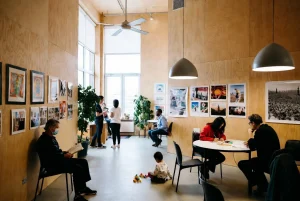
Turkish Community in the United States

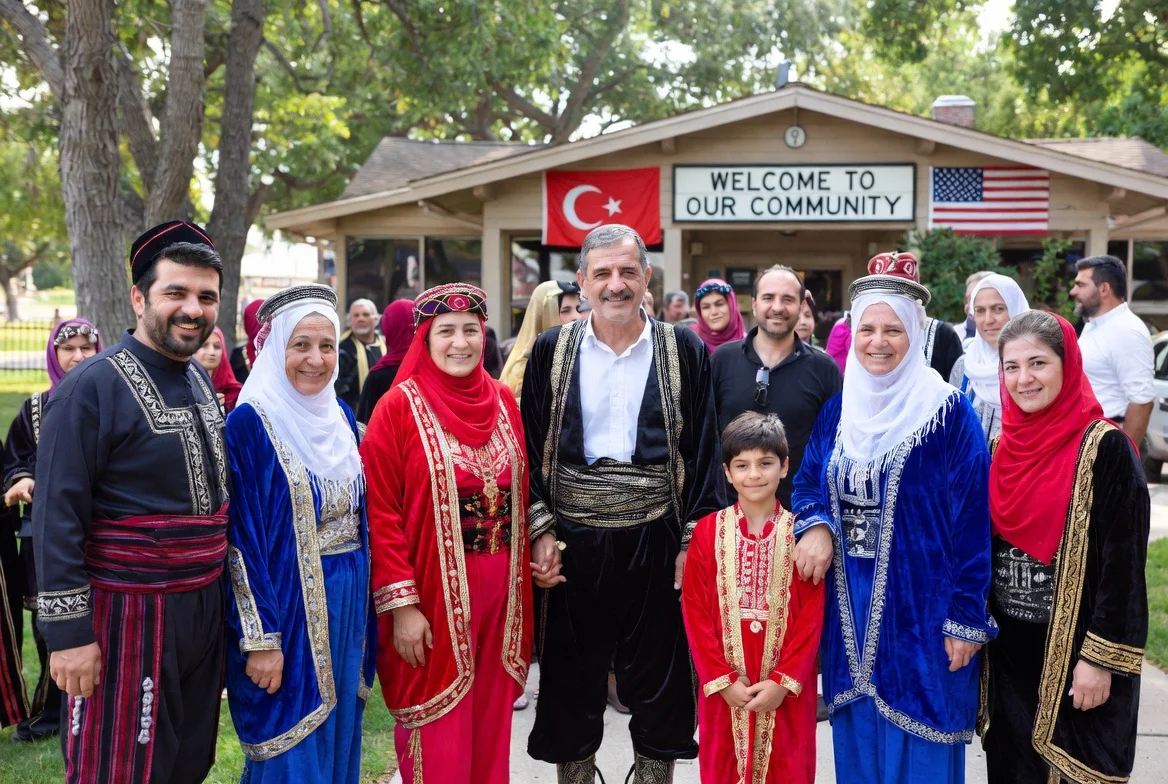

Turkish community in the United States represents a vibrant and growing diaspora, weaving a rich cultural tapestry across the nation’s social and economic landscape. What is the best way to understand the history, distribution, and impact of this dynamic group? How has the Turkish-American identity evolved, and what are the key centers of cultural and professional life for Turks in the USA? This comprehensive guide explores the demographics, major hubs, cultural institutions, and contributions of Turkish Americans, providing a detailed look into one of America’s most enterprising and culturally rich immigrant communities.
What Is the History and Demographic Profile of Turkish-Americans?
The history of Turkish immigration to the United States is multifaceted, occurring in distinct waves. How many Turkish Americans are there today? Estimates suggest the population ranges from 350,000 to 500,000 individuals, including those with full or partial Turkish ancestry. The first significant wave arrived in the late 19th and early 20th centuries, primarily from the Ottoman Empire. A larger, more continuous wave began after 1965, following changes in U.S. immigration law, comprising students, professionals, and their families. What is the difference between early and recent immigrants? Earlier groups often assimilated into broader “Middle Eastern” or “Muslim” American categories, while post-1965 immigrants have more actively cultivated a distinct Turkish-American identity. Demographically, the community is highly educated, with a significant portion holding bachelor’s or advanced degrees, and is prominently represented in fields such as medicine, engineering, academia, and business. This educational attainment is one of the top factors behind the community’s socioeconomic success.
Where Are the Major Hubs of the Turkish Community in the USA?
Turkish Americans are not evenly distributed but have formed vibrant enclaves in several key metropolitan areas. Which cities host the largest and most active Turkish communities?
-
New York City Metropolitan Area (New York/New Jersey): Home to the largest concentration, with neighborhoods in Brooklyn (Brighton Beach), Manhattan, and parts of New Jersey. It hosts numerous Turkish restaurants, cafes, bakeries, and cultural centers.
-
Washington, D.C. Metropolitan Area: A major hub for diplomats, professionals, and academics. The community is active in Northern Virginia and Maryland suburbs.
-
Los Angeles, California: Particularly in areas like Irvine and surrounding Orange County, where a sizable and affluent community resides, involved in entertainment, business, and tech.
-
Chicago, Illinois: Has a long-standing Turkish presence with active community associations and cultural events.
-
Houston, Dallas, and Austin, Texas: Growing hubs driven by energy sector professionals and academics.
-
Boston, Massachusetts: Centered around the city’s many universities, attracting students and faculty.
-
Detroit, Michigan: Part of the broader Middle Eastern community in Dearborn and surrounding areas.
-
Atlanta, Georgia: A rapidly growing community with increasing cultural and business influence.
-
Miami, Florida: Attracts Turkish businesspeople and families.
-
Philadelphia, Pennsylvania: Has a historic and active community with cultural organizations.
How far does the influence of these hubs extend? They serve as cultural anchors, organizing festivals, educational programs (like Saturday Turkish schools), and religious activities that attract Turks from wider regions.
How Have Turkish Americans Organized Culturally and Socially?
The community is supported by a robust network of organizations. What are the best ways Turkish Americans maintain their cultural heritage? Through a variety of institutions:
-
Cultural Associations (Derneks): Organizations like the Turkish American Association in various cities host language classes, folk dancing (folklore) groups, film festivals, and commemorations for national holidays like Republic Day (October 29).
-
Mosques and Community Centers: Many mosques serve as social centers, especially during Ramadan and Eid celebrations. The Turkish American Community Centers often provide a secular space for gatherings.
-
Business Councils: The Turkish-American Business Council and local chambers of commerce foster economic ties and networking.
-
Professional Networks: Groups for Turkish-American doctors, engineers, and academics facilitate professional development.
-
Media Outlets: Turkish-language newspapers, satellite TV channels, and online platforms keep the community informed about news from Turkey and local events.
What is the role of these organizations? They are crucial for preserving language, fostering a sense of belonging for second-generation youth, and providing a collective voice in the American public sphere.
What Are the Key Contributions of Turkish Americans to U.S. Society?
The impact of the Turkish-American community extends far beyond its numbers. How can you see their influence? Their contributions are visible in several key areas:
-
Cuisine: Turkish restaurants introducing kebabs, baklava, meze, and Turkish coffee have become staples in many American cities.
-
Academia and Science: A significant number of Turkish Americans serve as professors, researchers, and scientists at top U.S. universities and institutions.
-
Business and Entrepreneurship: From small family-owned businesses (rug shops, cafes) to executives in major corporations and tech startups.
-
Arts and Culture: Contributions in music, film, literature, and visual arts. Notable figures include author Elif Batuman and conductor Emil Tabakov.
-
Interfaith and Intercultural Dialogue: Turkish-American organizations often play active roles in promoting dialogue between Muslims, Christians, Jews, and other groups, emphasizing Turkey’s historical model of coexistence.
Which sectors see the most pronounced impact? The fields of medicine, engineering, and gourmet food industries are particularly notable.
What Are the Distinguishing Cultural Practices and Traditions?
Maintaining traditions is a priority for many families. What are the top cultural practices observed?
-
Language: Turkish language schools for children are common in major hubs.
-
Cuisine: Family gatherings revolve around traditional meals. The preparation of special dishes for holidays like Eid al-Fitr (Ramazan Bayramı) and Eid al-Adha (Kurban Bayramı) is widespread.
-
Coffee Culture: The ritual of serving Turkish coffee, often followed by fortune telling from the cup (fal), is a cherished social tradition.
-
Henna Nights (Kına Gecesi): Pre-wedding celebrations remain popular, especially among more traditional families.
-
Folklore Music and Dance: Groups perform traditional Anatólia dances at cultural festivals and weddings.
How do these practices adapt in the American context? They often become hybridized, blending with American customs, especially in second and third-generation families, creating a unique Turkish-American cultural fusion.
What Are the Main Challenges Facing the Turkish-American Community?
Like many diasporas, the community navigates certain challenges. What should you understand about these complexities?
-
Identity and Integration: Balancing assimilation with cultural preservation, especially for younger generations born in the USA.
-
Political Divisions: Perspectives on politics in Turkey can sometimes lead to divisions within the community abroad.
-
Representation: Working towards more accurate and nuanced representation in American media and politics, moving beyond stereotypes.
-
Hate Crimes and Discrimination: Facing incidents of bias, particularly in periods of heightened geopolitical tension, often being misidentified or grouped with other communities.
How is the community addressing these issues? Through advocacy groups, intercommunity alliances, and educational outreach aimed at fostering a better understanding of Turkish culture and history.
How is the Second Generation Shaping the Future?
The children of immigrants are redefining what it means to be Turkish-American. What is the difference between the first and second generation? While the first generation often focused on economic establishment and preserving traditions, the second generation is more likely to be bilingual, bicultural, and active in carving out a hyphenated identity. They are increasingly visible in creative industries, politics, and social activism. How many are pursuing higher education? Rates are exceptionally high, leading to greater professional influence. Their networks are often digitally native, using social media to connect and organize in ways distinct from their parents’ community centers.
What is the Future Outlook for the Turkish Community in the USA?
The community is poised for continued growth and influence. Is it worth watching this demographic? Absolutely. Trends indicate:
-
Sustained Immigration: Continued, though possibly moderated, immigration for education and professional opportunities.
-
Geographic Dispersion: While major hubs will remain strong, smaller communities in tech-centric and university towns will grow.
-
Increased Political Engagement: More Turkish Americans running for local office and engaging in advocacy on issues from education to foreign policy.
-
Cultural Mainstreaming: Turkish cultural elements, from food to TV series (diziler), are gaining wider American appreciation.
The pros and cons of diaspora life will continue to evolve, but the Turkish community’s resilience and capacity for contribution suggest a bright and integrated future within the American mosaic.
Frequently Asked Questions (FAQs)
1. What is the largest Turkish community in the USA?
The New York City metropolitan area, encompassing parts of New Jersey, is widely considered the largest and most established center of Turkish-American life, with the highest concentration of businesses, cultural institutions, and residents.
2. How many Turkish Americans are there?
Reliable estimates for 2026 suggest a population between 350,000 and 500,000. Precise numbers are difficult due to census categorization, but the community has shown steady growth over recent decades.
3. What are the main Turkish cultural festivals in the USA?
Major festivals include Turkish Day parades in New York City, Turkish Festival events in Washington D.C., Los Angeles, and Chicago, and celebrations for Republic Day (October 29) and Children’s Day (April 23) organized by local associations.
4. Are there Turkish language schools in America?
Yes, most major hubs have weekend Turkish language schools for children, often operated by cultural associations or mosques. These are critical for heritage language maintenance.
5. What is the religious composition of the Turkish-American community?
The community is religiously diverse, including Muslims (the majority, both Sunni and Alevi), Christians, Jews, and secular individuals, reflecting the diversity of Turkey itself. This diversity is often reflected in community events.
6. How can I connect with the Turkish community in my city?
Search for local Turkish American associations, visit Turkish restaurants and grocery stores, attend cultural festivals, or look for events at nearby universities with Turkish student associations.
7. What are some notable Turkish-American contributions?
Contributions span from culinary (popularization of Turkish cuisine) to academic (Nobel laureate Aziz Sancar), artistic, and entrepreneurial. The community has also been active in promoting intercultural dialogue and understanding.
Disclaimer: The information provided in this article is for general informational purposes only. Demographic estimates, organizational details, and community dynamics can change. For the most current information, please refer to official census data and direct sources from relevant Turkish-American institutions.
Keywords: Turkish community in USA, Turkish Americans, Turkish American organizations, Turkish diaspora, Turkish culture in America, Turkish population in US, Turkish restaurants USA, Turkish festivals USA, Turkish American businesses, Turkish American demographics