Nanny Average Salary in the USA, 2026


Nanny salaries in the United States vary widely based on location, experience, and specific job responsibilities. As of 2026, what is the true earning potential for childcare professionals, and how can families and candidates navigate this landscape? This comprehensive guide breaks down the latest national and state-level salary data, explores the key factors influencing pay, and provides actionable insights for both employers and job seekers in the private childcare sector.
What Is the Average Salary for a Nanny in the United States?
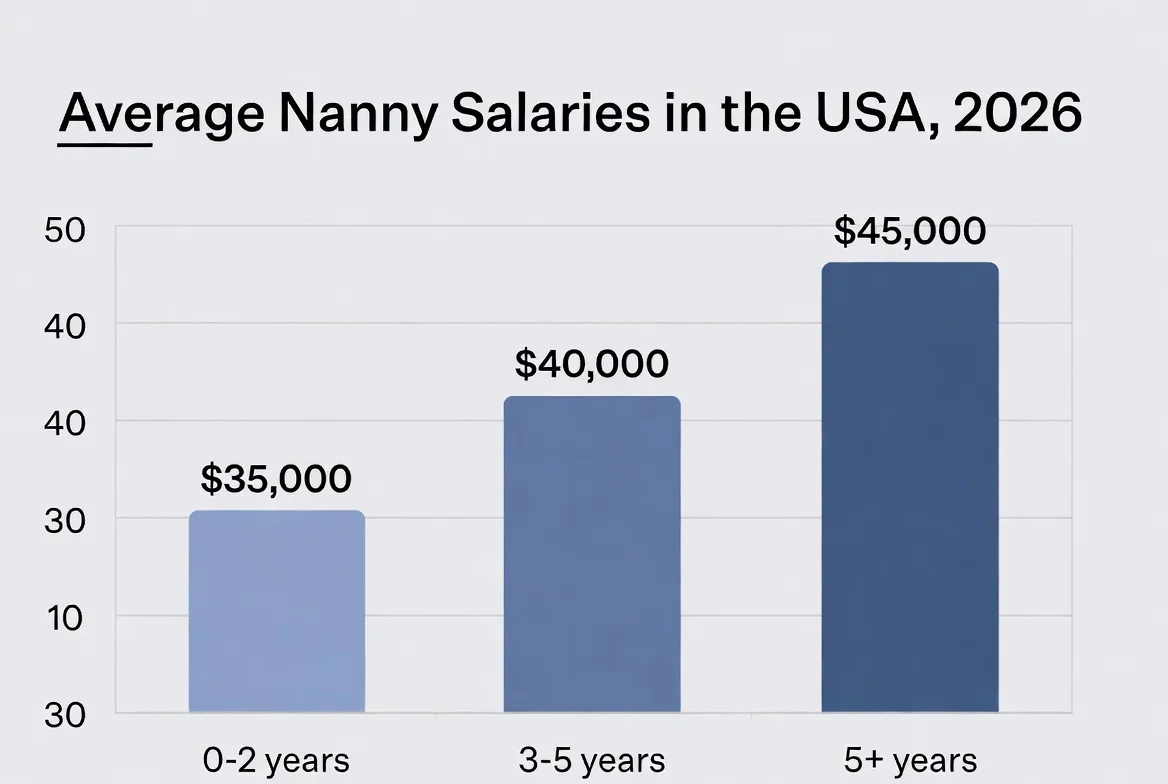
The national average provides a baseline, but the real story is in the details. How much does a nanny make on average? As of 2026, the average nanny salary in the United States is $39,000 per year, which translates to approximately $19.74 per hour. However, this median figure sits between a wide range. What is the difference between entry-level and experienced pay? Entry-level positions typically start around $33,638 per year, while the most experienced and highly specialized nannies can earn up to $52,390 per year or more. This variance highlights that nanny compensation is far from one-size-fits-all and is heavily influenced by several critical factors.
Which Factors Most Significantly Influence a Nanny’s Pay?
Understanding the top factors that drive salary differences is crucial for both negotiation and budgeting. How many variables are typically at play? Five primary elements determine compensation:
-
Geographic Location: This is the single most impactful factor. Metropolitan areas and states with a high cost of living command significantly higher wages.
-
Experience & Specialized Skills: Years of professional experience, along with certifications in CPR/First Aid, early childhood education, or special needs care, directly increase earning potential.
-
Job Responsibilities: A nanny who handles light housekeeping, meal preparation, tutoring, and transportation for multiple children will earn more than one focused solely on basic childcare.
-
Work Schedule: Full-time live-out positions have a standard rate, while live-in nannies may have a different salary structure that accounts for room and board. Overtime, weekend work, and overnight care also command premium pay.
-
Number and Ages of Children: Caring for infants, multiple children, or children with specific needs requires more skill and responsibility, which is reflected in higher pay.
How Does Nanny Salary Vary by State and City?
The geographic difference between states can be staggering. Which states pay the highest average salaries for nannies? Based on 2026 data, the top-paying states are:
-
New York & Connecticut: Leading the nation with an average of $53,625.
-
Massachusetts: Following closely at $50,000.
-
California: Averaging $46,545, with major cities like San Francisco and Los Angeles pushing figures even higher.
-
Washington & Illinois: Both averaging $44,720.
Conversely, states in the Midwest and South, such as Indiana ($31,200), Arizona ($33,954), and Michigan ($35,360), report averages below the national median. This disparity underscores the importance of local cost-of-living research.
What Are the Standard Pay Structures and Legal Requirements?
Navigating pay structures is essential for compliance and fairness. Should you pay a salary or an hourly wage? Most professional nanny positions are hourly, non-exempt jobs, meaning they are subject to overtime laws. The best practice is to guarantee a set number of hours per week with an hourly rate. How many hours trigger overtime? Under the Fair Labor Standards Act (FLSA), any hours worked over 40 in a week must be paid at 1.5 times the regular rate. Furthermore, employers are generally responsible for withholding taxes (the “nanny tax”) under IRS guidelines, which includes Social Security, Medicare, and federal unemployment tax. Misclassifying a nanny as an independent contractor is one of the top mistakes families make, leading to significant legal and financial penalties.
How to Negotiate a Competitive Nanny Salary and Benefits Package?
For job seekers and families, negotiation is a key step. What is the best way to approach this conversation? Transparency and preparation are paramount.
For Families: Research the average salary for your specific city using reliable sources like the International Nanny Association’s annual survey. Draft a comprehensive job description detailing all duties. Consider the total compensation package, which may include:
-
Guaranteed hours and overtime pay
-
Paid time off (sick days, vacation)
-
Health insurance stipend
-
Contribution to a retirement plan
-
Use of a family vehicle or mileage reimbursement
For Nannies: Prepare a professional resume highlighting experience, education, and certifications. Be ready to articulate your value based on your skills and the specific needs of the family. How can you justify a higher rate? Point to specialized training, longevity with previous families, or a proven track record with specific age groups.
What Does the Job Market and Future Outlook Look Like for Nannies?
Is it worth pursuing a career as a professional nanny? The demand for qualified, reliable childcare remains consistently strong. The pros and cons of the profession include the emotional rewards of impacting children’s lives versus the potential for irregular hours and the emotional demands of the job. As of 2026, families are increasingly seeking nannies with educational backgrounds or skills in holistic child development, making it a field where professionalization continues to grow. Networking through reputable agencies and online platforms dedicated to childcare professionals is one of the top strategies for finding high-quality positions.
Table: Nanny Salary Snapshot by State (2026)
| State | Average Annual Salary | Key Metropolitan Influence |
|---|---|---|
| New York | $53,625 | NYC, Westchester County |
| Connecticut | $53,625 | Fairfield County (NYC commuter area) |
| Massachusetts | $50,000 | Boston, Cambridge |
| California | $46,545 | San Francisco, Los Angeles, Silicon Valley |
| Washington | $44,720 | Seattle, Bellevue |
| Illinois | $44,720 | Chicago |
| National Median | $39,000 | N/A |
| Texas | $38,025 | Austin, Dallas, Houston |
| Indiana | $31,200 | Indianapolis |
Frequently Asked Questions (FAQs)
1. What is the difference between a nanny and a babysitter?
A nanny is typically a professional employed on a regular, long-term basis to provide comprehensive childcare, often including educational activities, transportation, and meal preparation within the child’s home. A babysitter is usually hired on an occasional, short-term basis for supervision during specific times.
2. How much should I pay a nanny for overtime?
By federal law, you must pay 1.5 times the nanny’s regular hourly rate for any hours worked over 40 in a single workweek. This is non-negotiable for household employees classified correctly.
3. Are nanny salaries typically negotiated as gross or net pay?
Salaries are always discussed and contracted as gross pay (the amount before taxes are withheld). The nanny will receive net pay after legally required deductions are made by the employer.
4. What benefits are standard to offer a full-time nanny?
While legally mandated benefits are limited, standard professional benefits include at least two weeks of paid vacation, paid sick days (often 5-10 days), and paid federal holidays. Many competitive packages also include a health stipend, annual bonus, and professional development funds.
5. Should I use a payroll service for my nanny?
Yes, it is highly recommended. A specialized household payroll service will automatically calculate and withhold the correct federal and state taxes, file quarterly reports, and issue W-2 forms, ensuring full compliance with “nanny tax” laws and saving you from significant administrative burden and potential IRS penalties.
6. How does live-in nanny pay differ from live-out?
Live-in nannies often receive a lower cash salary because their compensation includes the significant value of room and board (rent-free housing and meals). However, their total compensation package must still meet or exceed minimum wage laws for all hours worked, and they are still entitled to overtime pay.
7. Where can I find reliable salary data for my specific city?
Consult the annual salary surveys published by industry organizations like the International Nanny Association (INA), use reputable compensation websites that allow for city-level filtering, and speak with local nanny placement agencies for the most current and localized market rates.
Disclaimer: The salary data, figures, and guidance provided in this article are for general informational purposes only and are based on aggregated data as of 2026. Actual salaries can vary significantly based on specific circumstances, undisclosed job factors, local economic conditions, and individual negotiations. Employers and employees are solely responsible for complying with all applicable federal, state, and local labor, tax, and employment laws. It is advisable to consult with a qualified employment attorney or tax professional for specific legal and financial advice.
Keywords: nanny salary, average nanny pay, childcare worker salary, nanny hourly rate, nanny tax, household employee, live-in nanny salary, babysitter vs nanny, nanny benefits, nanny payroll, nanny jobs 2026, nanny salary by state