Labor Rights for Immigrants in the United States

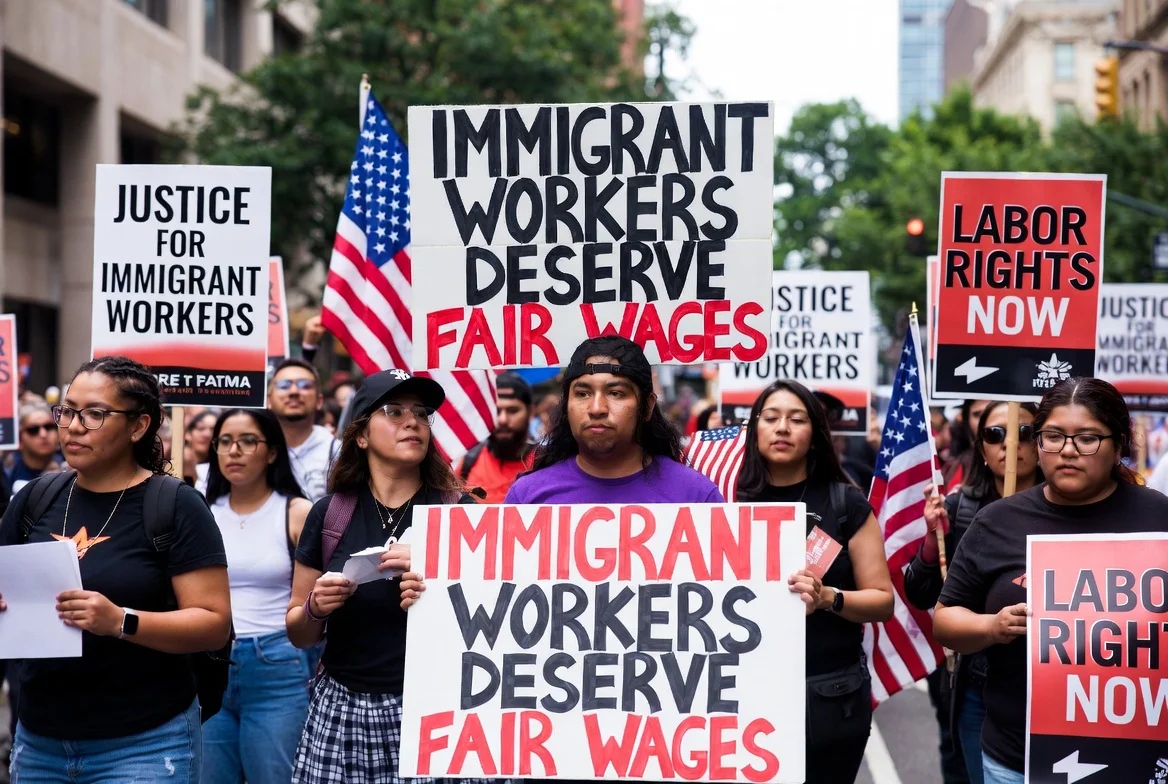

Labor rights for immigrants are a critical and often complex aspect of employment law, designed to protect all workers regardless of their citizenship or immigration status. In the evolving landscape of 2026, what protections exist for immigrant workers, and how can they be effectively enforced? What is the difference between the rights of documented and undocumented workers? This comprehensive guide answers these pressing questions, providing clear information on federal protections, common violations, and actionable steps to safeguard dignity and fairness in the workplace. Understanding these rights is essential for creating equitable and lawful work environments.
What Federal Labor Laws Protect Immigrant Workers in the U.S.?
Why are federal labor laws crucial for immigrant workers, and which ones apply universally? The cornerstone principle is that most federal workplace rights extend to all employees within the United States, irrespective of their immigration status. The Fair Labor Standards Act (FLSA) guarantees minimum wage and overtime pay. How many hours constitute overtime? Non-exempt employees must receive overtime pay at 1.5 times their regular rate for hours worked beyond 40 in a workweek. The Occupational Safety and Health Act (OSHA) ensures the right to a safe workplace free from serious hazards. Immigrant workers have the right to request an OSHA inspection, report injuries, and receive training in a language they understand.
Furthermore, the National Labor Relations Act (NLRA) protects the right to organize and collectively bargain, or to discuss wages and working conditions with colleagues. Title VII of the Civil Rights Act of 1964 prohibits workplace discrimination based on national origin, race, color, religion, or sex. Should you face discrimination, the Equal Employment Opportunity Commission (EEOC) is the enforcing body. The key takeaway is that immigration status does not negate these fundamental protections. An employer cannot use the threat of deportation to violate these laws.
How Do Rights Differ for Documented vs. Undocumented Immigrants?
Understanding the difference between the rights of documented and undocumented workers is vital for accurate guidance. Both groups are protected under the federal labor laws mentioned above. However, significant differences exist in other areas. Documented workers (e.g., Green Card holders, visa holders) have the explicit right to work in the U.S. and are protected by laws governing employment verification (Form I-9). They are also eligible for state unemployment insurance and workers’ compensation benefits, depending on state regulations.
Undocumented workers, while protected by wage, safety, and anti-discrimination laws, face critical limitations. They are not authorized to work under federal law, making them ineligible for unemployment benefits, Social Security benefits (though many pay into the system), and most federal public benefits. Can an undocumented worker file a labor complaint? Yes. Enforcement agencies like the Department of Labor and the EEOC generally do not ask about immigration status during a complaint investigation and do not share that information with immigration authorities. Their primary focus is on enforcing the employer’s labor law violations. However, the legal process can be riskier for undocumented individuals.
What Are the Most Common Labor Violations Faced by Immigrant Workers?
What are the top violations that exploit the vulnerabilities of immigrant workers? Common issues include wage theft, where employers fail to pay minimum wage, withhold overtime, or make illegal deductions. In sectors like agriculture, construction, and domestic work, pay below the minimum wage is a frequent issue. Another widespread violation is the misclassification of employees as independent contractors to avoid providing benefits and legal protections.
How often do safety violations occur? Immigrant workers, particularly in high-risk industries, frequently face unsafe working conditions without proper training or protective equipment, leading to disproportionate injury rates. Furthermore, retaliation and threats are used to silence workers. An employer may threaten to call Immigration and Customs Enforcement (ICE) if a worker complains about unpaid wages or unsafe conditions. What should you do in this scenario? It is illegal for an employer to retaliate in this manner, and such threats can be reported as part of a labor claim.
How Can Immigrant Workers Safely Report Violations and Seek Help?
Knowing the best ways to report abuses safely is empowering. Which agencies handle these complaints? The Wage and Hour Division (WHD) of the U.S. Department of Labor investigates wage theft. Complaints can be filed anonymously in many cases. The Occupational Safety and Health Administration (OSHA) handles safety complaints. The Equal Employment Opportunity Commission (EEOC) addresses discrimination.
How can you prepare before filing a complaint? Documentation is key. Keep detailed records of hours worked, pay stubs (if any), work agreements, and notes on incidents, including dates, times, and names of witnesses. What is the best way to find legal help? Seek assistance from non-profit immigrant worker centers, legal aid societies, or unions. These organizations understand the intersection of labor and immigration law and can provide crucial guidance and representation. Many offer services in multiple languages.
What Are the Protections Against Retaliation and Immigration-Based Threats?
Retaliation is a primary tool of intimidation. What constitutes illegal retaliation? Firing, threatening, reducing hours, or reporting a worker to immigration authorities in response to a complaint about wages, safety, or discrimination is illegal under most federal labor laws. In the landmark case of Hoffman Plastic Compounds, Inc. v. NLRB (2002), the Supreme Court ruled that undocumented workers are not eligible for back pay after being illegally fired for union activity. However, they are still entitled to other remedies, and the employer can still be sanctioned. More recent guidance and state laws have strengthened protections.
Should you fear reporting an employer to ICE? Department of Labor and EEOC policies limit immigration enforcement actions arising from labor disputes. Many states and cities have enacted “sanctuary” or protective policies that limit local cooperation with federal immigration enforcement, especially when it interferes with labor rights enforcement. Knowing local laws is critical.
How Do State Laws Impact Immigrant Labor Rights?
The difference between federal and state protections can be significant. Which states offer expanded rights? States like California, New York, Washington, and Illinois have robust labor laws that often provide greater protections. For example, California’s laws on wage theft, meal and rest breaks, and its Private Attorneys General Act (PAGA) allow workers to sue for labor code violations on behalf of the state. Some states also issue driver’s licenses regardless of status, which can be essential for getting to work.
How far do state workers’ compensation laws extend? Most states provide workers’ compensation benefits for work-related injuries or illnesses to all workers, including undocumented immigrants. These benefits cover medical costs and a portion of lost wages. An employer cannot refuse to file a claim based on a worker’s immigration status.
What Are the Key Challenges for Specific Immigrant Worker Groups?
Labor rights challenges are not uniform. What are the pros and cons for different visa categories? H-2A (agricultural) and H-2B (non-agricultural) visa holders are often tied to a single employer, creating a power imbalance that can lead to abuse, including confiscated passports and threats of deportation. They have rights to minimum wage and safe conditions but may fear complaining lest they lose their visa status.
Domestic workers, who are often immigrants and work in isolated settings, are frequently excluded from standard overtime protections. However, some states have passed a Domestic Workers’ Bill of Rights to address this. High-skilled workers on H-1B visas may face different issues, such as being forced to pay penalties for leaving a job early or being underpaid compared to their American counterparts.
Table: Immigrant Worker Rights & Enforcement Agencies
| Right / Protection | Governing Law/Agency | Applies to Undocumented Workers? | Key Action for Worker |
|---|---|---|---|
| Minimum Wage & Overtime | Fair Labor Standards Act (FLSA) / Wage and Hour Division (WHD) | Yes | File a wage claim with the DOL. |
| Safe Workplace | Occupational Safety & Health Act (OSHA) | Yes | Report hazards or file a complaint with OSHA. |
| Freedom from Discrimination | Title VII / Equal Employment Opportunity Commission (EEOC) | Yes | File a charge with the EEOC. |
| Right to Organize | National Labor Relations Act (NLRA) | Yes, but remedies are limited | Report unfair labor practices to the NLRB. |
| Workers’ Compensation | State Laws | Varies by state, but often yes | Report injury to employer and file a claim with state board. |
| Protection from Retaliation | Multiple (FLSA, OSHA, NLRA, etc.) | Yes | Report retaliation as part of the underlying complaint. |
Frequently Asked Questions (FAQs)
1. Can my employer fire me for asking about my unpaid wages?
No. This is illegal retaliation. Federal labor laws protect your right to inquire about or complain about unpaid wages, regardless of your immigration status. If fired for this reason, you may have a separate legal claim against your employer.
2. If I am undocumented, will the Department of Labor report me to ICE if I file a complaint?
The Department of Labor’s stated policy is that its focus is on enforcing labor laws. It does not ask about immigration status for most complaints and does not proactively share complainant information with ICE. Your identity is generally kept confidential during the investigation.
3. Am I entitled to workers’ compensation if I get hurt on the job?
In most states, yes. Workers’ compensation is a no-fault insurance system, and eligibility typically depends on being an employee (not an independent contractor) who suffered a work-related injury. Immigration status is usually not a factor in eligibility for medical benefits.
4. What should I do if my employer threatens to call immigration authorities?
This threat is often a form of illegal retaliation. Document the threat (write down date, time, what was said, and any witnesses). Report this threat to the labor agency where you are filing your wage, safety, or discrimination complaint. You can also seek immediate help from an immigrant rights organization.
5. Can I join a union as an immigrant worker?
Yes. The right to organize and join a union is protected by the National Labor Relations Act for most workers, irrespective of immigration status. Unions can provide critical support in enforcing your rights.
6. What is “wage theft,” and what are common examples?
Wage theft is the denial of wages rightfully earned. Common examples include: paying less than minimum wage, not paying for all hours worked, not paying overtime rates, forcing “off-the-clock” work, and illegal deductions from paychecks.
7. Where can I find free or low-cost legal help for a labor issue?
Look for non-profit legal aid organizations, immigrant worker centers, and unions in your area. Many state bar associations also offer lawyer referral services. The U.S. Department of Labor website lists local Wage and Hour Division offices where you can file complaints for free.
Disclaimer: The information provided in this article is for general educational and informational purposes only and does not constitute legal advice. Immigration and labor laws are complex and subject to change. The situation of every individual is unique. For guidance on a specific legal problem, consult with a qualified attorney specializing in labor and employment law or immigration law.
Keywords: labor rights immigrants, immigrant worker rights, undocumented worker rights, wage theft, workplace safety immigrants, reporting labor violations, immigration retaliation, workers compensation immigrants, H-2A visa rights, domestic worker rights