
Immigrant Rights in the USA

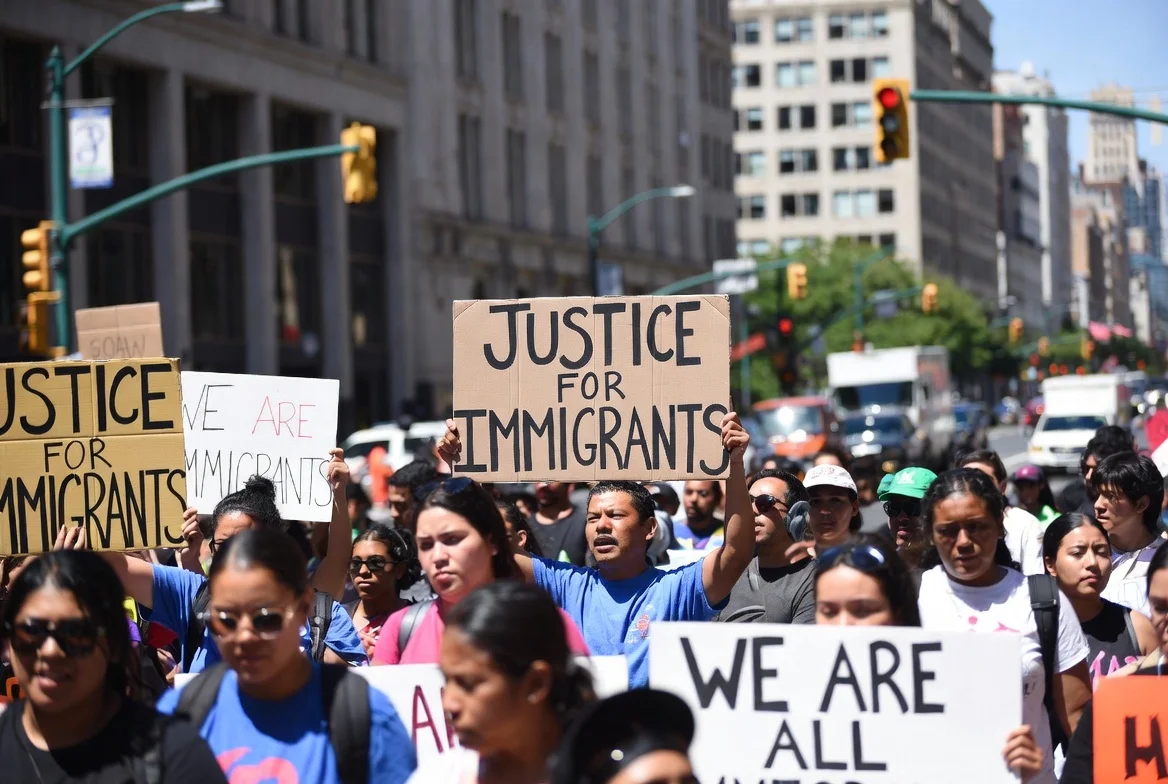

Immigrant rights in the USA encompass a complex and evolving framework of legal protections, constitutional guarantees, and administrative policies designed to safeguard the dignity and due process of non-citizens. In a nation historically built by immigrants, how are these rights currently defined and enforced? What legal avenues exist for protection against discrimination, unjust detention, or deportation? This comprehensive guide examines the foundational pillars of immigrant rights, the current landscape under the 2026 administration, and practical resources for individuals and advocates. Understanding these rights is not just a legal matter but a fundamental aspect of American civil society.
What Are the Foundational Legal Rights Guaranteed to Immigrants?
Regardless of immigration status, certain fundamental rights are protected under the U.S. Constitution. What is the difference between constitutional rights and immigration benefits? The Constitution’s protections extend to all persons within U.S. borders, not only citizens. First, the right to due process of law is paramount. How does this apply in immigration court? Individuals facing deportation have the right to a hearing, to be represented by an attorney (at their own expense), to examine evidence against them, and to appeal decisions.
Second, the right to equal protection under the law prohibits discrimination based on national origin, race, or religion. Which agencies enforce these protections? The Department of Justice’s Civil Rights Division and the Equal Employment Opportunity Commission (EEOC) handle complaints of discrimination in employment, housing, and public accommodations.
Third, rights against unreasonable searches and seizures protect individuals in their homes and during interactions with law enforcement. When can an immigration officer legally enter a home? Generally, they need a warrant signed by a judge, except in exigent circumstances. Knowing these distinctions is the best way to assert one’s rights effectively.
How to Navigate the U.S. Immigration Court System?
The immigration court system, overseen by the Department of Justice’s Executive Office for Immigration Review (EOIR), is a critical arena for determining status. What should an individual expect during removal proceedings? The process begins with a Notice to Appear (NTA). How can one prepare a strong defense? Securing competent legal counsel is the single most important factor. Pro bono organizations and accredited representatives can provide assistance.
What are the top 5 forms of relief from removal that might be available?
-
Asylum & Withholding of Removal: For those fleeing persecution based on race, religion, nationality, political opinion, or membership in a particular social group.
-
Cancellation of Removal: A discretionary relief for certain lawful permanent residents and non-permanent residents who meet specific criteria like long-term physical presence.
-
Adjustment of Status: Applying for a green card from within the U.S., often through a family or employment-based petition.
-
Protection under the Convention Against Torture (CAT): Protects individuals likely to be tortured if returned to their home country.
-
Voluntary Departure: Allows an individual to leave the U.S. at their own expense by a certain date, avoiding a formal deportation order.
Navigating these options requires expert legal advice tailored to individual circumstances.
What Are the Key Workplace Rights for Immigrant Workers?
All workers in the United States, regardless of citizenship or immigration status, have fundamental labor rights. How are these rights protected? The Fair Labor Standards Act (FLSA) guarantees a federal minimum wage, overtime pay, and protection against retaliation for reporting violations. What should a worker do if their employer threatens their immigration status? This is illegal. Workers can file a complaint with the Department of Labor’s Wage and Hour Division or the National Labor Relations Board (NLRB) without fear of immigration-based retaliation from the agencies themselves.
What is the difference between an E-Verify requirement and discrimination? While some employers must use E-Verify to confirm work authorization, they cannot use it to discriminate by only checking the status of individuals who appear foreign. Which forms of workplace abuse are common? Wage theft, unsafe working conditions, and harassment based on immigration status. Documenting hours, pay stubs, and communications is a critical step for any complaint.
When and How Can Immigrants Access Public Benefits?
Access to federal public benefits is heavily restricted for non-citizens under laws like the Personal Responsibility and Work Opportunity Reconciliation Act (PRWORA). Who is eligible? Generally, only “qualified aliens,” such as lawful permanent residents, refugees, and asylees, are eligible for full federal benefits, and even they may face waiting periods. What benefits are considered exempt from these restrictions? Emergency Medicaid, disaster relief, public health assistance for immunizations and treatment of communicable diseases, and access to soup kitchens or homeless shelters.
How can immigrants navigate state and local benefits? Many states, like California and New York, use state funds to provide benefits to immigrants who are ineligible at the federal level, including health coverage and nutrition assistance. Consulting with a local non-profit immigration service provider is the best way to understand specific eligibility.
How to Respond Effectively to an ICE Encounter?
Knowing your rights during an encounter with U.S. Immigration and Customs Enforcement (ICE) is crucial. What should you do if approached by an ICE agent?
-
You have the right to remain silent. You can say, “I choose to remain silent.” You do not have to answer questions about your birthplace or immigration status.
-
You have the right to refuse consent to a search of your person, car, or home without a warrant signed by a judge.
-
You have the right to speak to a lawyer. If you are detained, you have the right to make a phone call.
-
Do not sign any documents without consulting an attorney.
-
Carry a “Know Your Rights” card and have an emergency plan in place for family.
How far do these rights extend? They apply at home, on the street, at work, and at airports. What is the best way to prepare? Families should have a safety plan, including who will care for children if a parent is detained.
What Are the Current Pathways to Legal Status in 2026?
The legal immigration system offers several pathways, though they are often complex and backlogged. What are the primary avenues available?
-
Family-Based Immigration: U.S. citizens and lawful permanent residents can petition for certain family members. Immediate relatives of U.S. citizens (spouses, unmarried minor children, parents) have no annual cap.
-
Employment-Based Immigration: Sponsored by a U.S. employer, categorized into preference levels (EB-1 through EB-5) based on skills, education, and investment.
-
Humanitarian Protections: Including the U.S. Refugee Admissions Program, asylum, Temporary Protected Status (TPS), and Special Immigrant Juvenile Status (SIJS).
-
Diversity Immigrant Visa Program: The “green card lottery” for individuals from countries with low rates of immigration to the U.S.
How long do these processes typically take? Wait times can range from a year to over a decade, depending on the category and country of origin. Consulting with a reputable immigration attorney is essential to navigate this system.
What Are the Top Advocacy and Legal Support Organizations?
Navigating the system often requires support. Which organizations provide critical services?
| Organization Category | Key Examples | Primary Services | Best Contact Method |
|---|---|---|---|
| National Legal Defense | American Civil Liberties Union (ACLU), National Immigration Law Center (NILC) | Impact litigation, policy advocacy, “Know Your Rights” materials | Website resources, local affiliate offices |
| Direct Legal Services | Catholic Legal Immigration Network (CLINIC), Immigrant Defender Law Center | Low-cost legal representation in removal proceedings, applications | Local office referrals via immigration hotlines |
| Detention Support | Freedom for Immigrants, RAICES | Bond support, visitation programs, hotlines for detained individuals | National detention hotlines |
| Policy & Research | Migration Policy Institute, Center for Migration Studies | Data analysis, policy reports, historical context | Published reports and congressional testimonies |
| Pro Bono Networks | American Immigration Lawyers Association (AILA) Pro Bono | Connects individuals with volunteer immigration attorneys | Referral through non-profit partners |
How much do these services cost? Many are free or offered on a sliding scale. It is critical to avoid notarios or unauthorized practitioners who may commit immigration fraud.
Frequently Asked Questions (FAQs)
1. Do immigrants have the right to a lawyer in immigration court?
Yes, but unlike in criminal court, the government is not required to provide one at its expense. Individuals have the right to hire an attorney or seek free or low-cost legal representation from a non-profit organization. Finding a lawyer is one of the most important steps in an immigration case.
2. Can I be deported for reporting a crime?
Victims and witnesses of crimes have specific protections. The U visa is available for victims of certain crimes who have suffered mental or physical abuse and are helpful to law enforcement. Reporting a crime should not, in itself, lead to deportation, and individuals may be eligible for protection.
3. What is the difference between a refugee and an asylee?
Both are granted protection based on persecution fears. The key difference is where the application is made: refugees are processed and granted status from outside the United States before arrival, while asylees apply for and are granted protection from within the U.S. or at a port of entry.
4. What should I do if I receive a Notice to Appear (NTA)?
This document initiates deportation proceedings. Do not ignore it. Immediately seek a qualified immigration attorney. Note the date, time, and location of your hearing, as failing to appear can result in a removal order in absentia.
5. Are DACA (Deferred Action for Childhood Arrivals) protections still in place in 2026?
As of 2026, the DACA program remains active following ongoing legal challenges and administrative actions. Eligible individuals can still submit initial and renewal applications, though court rulings can change this status. It is vital to consult with an immigration legal service provider for the most current information.
6. Can my employer fire me for seeking help from a union or reporting a labor violation?
No. It is illegal for an employer to retaliate against any worker, regardless of immigration status, for engaging in “protected concerted activity” (like organizing) or for reporting workplace violations to agencies like the Department of Labor. You have the right to file a retaliation complaint.
7. Where can I get reliable, up-to-date information on immigration policy changes?
Rely on official government websites (.gov domains) like USCIS.gov or EOIR.gov, and reputable non-partisan legal organizations like the National Immigration Law Center (NILC) or the American Immigration Council. Avoid relying solely on social media or unverified sources.
Disclaimer: The information provided in this article is for general educational purposes only and does not constitute legal advice. Immigration law is complex and changes frequently. Each individual’s situation is unique. For legal advice regarding your specific circumstances, you must consult with a qualified immigration attorney or an accredited representative.
Keywords: immigrant rights USA, immigration lawyer, deportation proceedings, asylum application, ICE encounter rights, work authorization, green card, visa options, DACA 2026, immigration legal help, discrimination protection, immigration bond, immigration appeal, refugee status, immigrant worker rights