How Immigrant Community Centers Build Thriving Societies

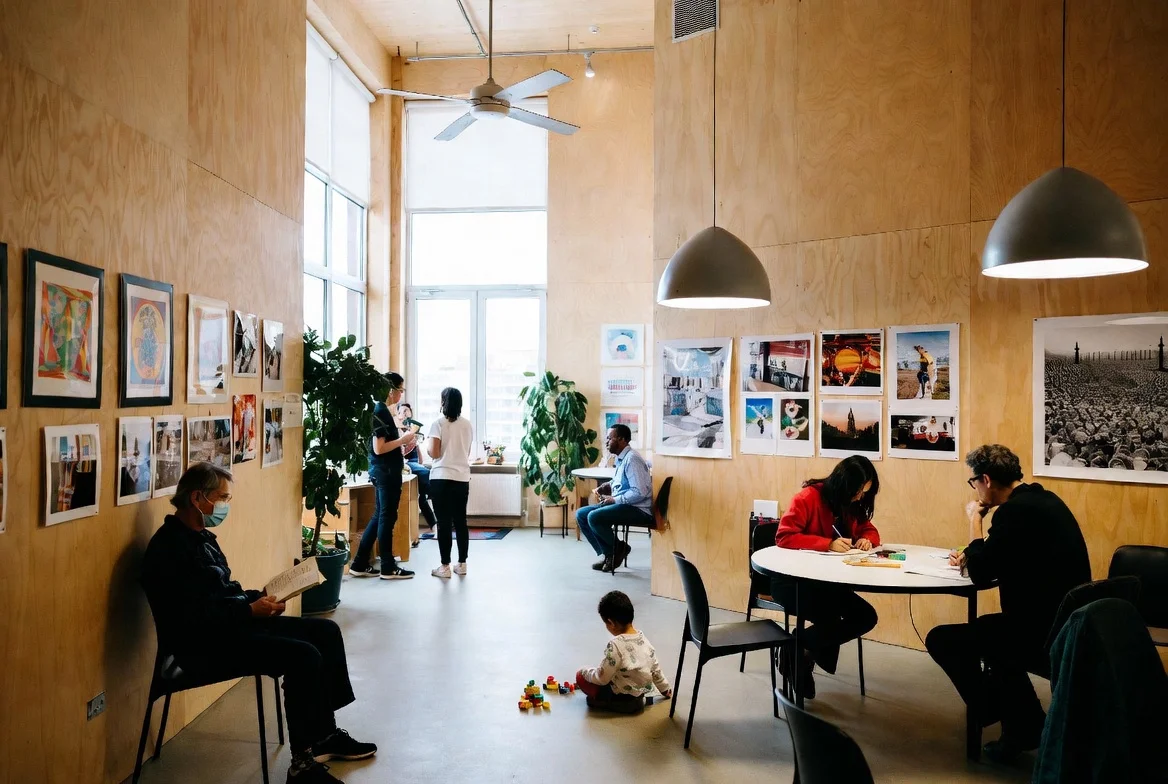

Immigrant community centers serve as vital lifelines and engines for integration, providing essential resources, cultural connection, and advocacy for newcomers. In an era of global migration, how can these centers effectively bridge the gap between diverse populations and their new homes? What are the best ways to foster a sense of belonging while equipping individuals with the tools for success? This comprehensive guide explores the multifaceted role of immigrant community centers, examining their impact, key services, challenges, and strategies for building more inclusive and resilient communities. Their work is not just about aid—it’s about unlocking human potential and strengthening the social and economic fabric of society.
What Are the Core Functions of an Immigrant Community Center?
Why are immigrant community centers considered indispensable in the modern city? The difference between successful integration and isolation often hinges on access to the holistic support these hubs provide. Their core functions address the most pressing needs of new arrivals. First, they offer Settlement and Navigation Services. How can a newly arrived family navigate complex systems? Centers provide guidance on immigration paperwork, healthcare enrollment, school registration, and accessing public services, acting as cultural interpreters of bureaucracy.
Second, they are pillars of Language Acquisition and Education. What is the best way to overcome the largest initial barrier? Most centers offer English for Speakers of Other Languages (ESOL) classes, but also vocational language training for specific fields like healthcare or construction, significantly boosting employability.
Third, they provide Employment Support and Economic Integration. This goes beyond resume help; it includes credential recognition services, job training programs tailored to local market needs, mentorship, and networking events with local employers. How many people find their first job through such networks? Surveys suggest over 60% of participants credit center support for their employment success.
Fourth, they ensure Health and Wellness Access. This includes organizing health fairs, providing mental health support to address trauma and acculturation stress, and offering nutritional guidance that respects cultural foodways. Finally, they foster Civic Engagement and Advocacy, helping immigrants understand their rights, prepare for citizenship exams, and participate in local civic life, transforming them from beneficiaries into active community stakeholders.
How Do Community Centers Facilitate Cultural Preservation and Integration?
Is integration about assimilation or multiculturalism? Immigrant community centers navigate this balance expertly. How can someone maintain their cultural identity while adapting to a new one? Centers create spaces for cultural preservation through festivals, native language classes for children, traditional arts workshops, and communal celebrations of holidays. This counters alienation and allows the second generation to connect with their heritage.
Simultaneously, they drive cross-cultural integration. What are the top ways to build bridges with the host community? Centers organize cultural exchange dinners, “meet your neighbor” open houses, joint community service projects, and interfaith dialogues. These activities demystify the “other,” combat prejudice, and build shared community identity. The pros and cons of this dual approach are carefully managed: preservation builds internal strength, while integration builds external social capital, both of which are essential for long-term well-being.
What Are the Biggest Challenges Facing Immigrant Centers Today?
Operating these centers is a complex endeavor fraught with obstacles. What should directors and stakeholders be prepared to face? The top challenges are multifaceted. First, Sustainable Funding is a constant struggle. Reliance on grants and donations creates uncertainty. How can centers achieve financial stability? Diversifying revenue through social enterprises (e.g., a catering service or translation bureau), offering fee-based professional workshops, and cultivating long-term partnerships with local corporations are becoming essential strategies.
Second, Policy and Political Climate changes can abruptly alter the landscape. Shifting immigration policies affect the legal status and needs of the population served, requiring centers to be agile legal resources and safe havens.
Third, Meeting Diverse Needs within a single organization is daunting. A center may serve refugees, skilled economic migrants, and undocumented families simultaneously, each with vastly different needs. Tailoring programs without spreading resources too thin requires sophisticated management.
Fourth, Burnout Among Staff and Volunteers is high due to the emotionally demanding nature of the work and often limited compensation. Creating sustainable support systems for helpers is crucial. Finally, Digital Equity has become a pronounced issue. Access to technology and digital literacy training is now a core component of integration, yet many centers lack the infrastructure to provide it adequately.
How Can Technology Be Leveraged to Amplify Impact?
Is it worth for traditional community centers to invest heavily in technology? In 2026, it is not just worth it—it’s imperative. Which tools are most effective? First, Multilingual Digital Platforms and Apps can provide 24/7 access to resource guides, video tutorials on filling out forms, and virtual Q&A sessions, extending reach beyond physical walls.
Second, Virtual Case Management Systems allow for secure, efficient tracking of client progress across multiple services (legal, employment, health), improving coordination and outcomes. Third, Online Language Learning and Skills Portals enable flexible, self-paced study, crucial for immigrants working multiple jobs. Fourth, Social Media and Digital Storytelling are powerful tools for advocacy, fundraising, and challenging negative narratives by humanizing the immigrant experience. How far can technology replace human contact? It cannot and should not replace the human touch, but it can dramatically augment service delivery, data management, and community engagement.
What Does a Successful Community Center Model Look Like?
While needs vary by location, successful centers share common operational pillars. What are the best ways to structure for success? A holistic model integrates several key components under one roof or through a tightly networked consortium.
| Component | Description | Example Programs / Services |
|---|---|---|
| Welcome & Navigation Hub | Initial point of contact and triage. | Intake assessment, legal screenings, personalized resource mapping. |
| Education & Skill-Building Wing | Focus on language and economic mobility. | ESOL classes, vocational training (e.g., nursing assistant, coding bootcamps), financial literacy workshops. |
| Health & Wellness Clinic | Addresses physical and mental well-being. | Partnerships with local health providers for low-cost clinics, mental health counseling, wellness support groups. |
| Cultural & Community Space | Fosters connection and identity. | Art exhibits, community kitchens, celebration halls, youth clubs. |
| Advocacy & Leadership Arm | Moves clients from recipients to leaders. | Citizenship classes, know-your-rights workshops, community organizing training, leadership development. |
| Social Enterprise Unit | Generates revenue and provides job training. | Café, catering, digital services firm, retail shop selling artisan goods. |
How much collaboration is needed? The most effective centers act as connectors, not just providers, building robust partnerships with local government, schools, hospitals, businesses, and other non-profits to create a seamless support ecosystem.
How to Measure the True Impact of a Community Center?
Beyond anecdotal success stories, demonstrating tangible impact is key for funding and improvement. How can impact be quantified and qualified? Key Performance Indicators (KPIs) should track both outputs and outcomes. Outputs include numbers served, classes held, and cases managed. More importantly, outcome metrics might track: employment rates and wage progression after 6/12 months of program participation; educational advancement (e.g., GED attainment, college enrollment); health access metrics (e.g., rate of insured clients, utilization of preventative care); and civic engagement levels (e.g., voter registration, volunteerism).
Longitudinal studies that follow families over years provide the most compelling data on generational impact. The difference between a center that is a temporary aid station and one that is a true engine of mobility is often visible in these long-term outcome trends.
How Can Local Communities and Businesses Support These Centers?
Supporting immigrant integration is a shared community responsibility. What can individuals and organizations do? Best ways to support include: Strategic Volunteering (offering professional skills like law, marketing, or IT, not just general help); Corporate Partnerships (funding specific programs, offering paid internships, providing pro-bono services); Advocacy (speaking up for inclusive policies at local government meetings); and Cultural Brokerage (hosting members of the center at community events to foster personal connections). When should support begin? The need is constant, but moments of new refugee resettlement or policy shifts are critical times for mobilized action.
Frequently Asked Questions (FAQs)
1. What is the primary goal of an immigrant community center?
The primary goal is to facilitate the successful integration, empowerment, and well-being of immigrants and refugees into their new society. This is achieved by providing comprehensive support services, fostering cultural exchange, and advocating for equitable opportunities and policies.
2. Who can use the services of an immigrant community center?
While primarily focused on immigrants, refugees, asylees, and sometimes undocumented individuals, many centers also serve the wider local community with certain programs (e.g., cultural events, public workshops). Eligibility can vary by program and funding source.
3. How are these centers typically funded?
Funding is often a mix of government grants (federal, state, local), private foundation grants, individual donations, corporate sponsorships, and increasingly, revenue from social enterprises or fee-for-service programs. This diversified funding model is crucial for sustainability.
4. What is the difference between a community center and a resettlement agency?
Resettlement agencies are typically contracted by the government to provide specific, time-limited services (like initial housing and orientation) to officially admitted refugees. Community centers serve a broader immigrant population (including refugees after their initial resettlement period) with ongoing, holistic support and are often more deeply embedded in the local neighborhood fabric.
5. Can I volunteer if I don’t speak another language?
Absolutely. While language skills are a huge asset, many roles require other skills: tutoring in English, mentoring, administrative help, event planning, legal or professional expertise, fundraising, and more. The willingness to connect and help is the most important qualification.
6. How do centers ensure they are culturally competent?
They prioritize hiring bilingual/bicultural staff and leaders from the communities they serve. They engage in continuous community feedback through advisory councils, and they train all staff and volunteers on cultural humility, specific community traditions, and trauma-informed care.
7. What is the biggest trend affecting these centers in 2026?
The continued rise of digital integration as a core service. Bridging the digital divide—providing devices, affordable internet, and comprehensive digital literacy training—is now recognized as fundamental to accessing education, employment, healthcare, and civic life, making it a top priority for forward-looking centers.
Disclaimer: The information provided in this article is for general educational and informational purposes only. The specific services, programs, and challenges of immigrant community centers can vary greatly depending on geographic location, funding, community demographics, and political context. Readers are encouraged to contact their local organizations for the most accurate and current information.
Keywords: immigrant community center, services for immigrants, refugee resettlement, cultural integration programs, ESOL classes near me, immigrant support nonprofit, community center resources, legal aid for immigrants, citizenship classes, advocacy for immigrants