Facebook Average Salary in USA, 2026

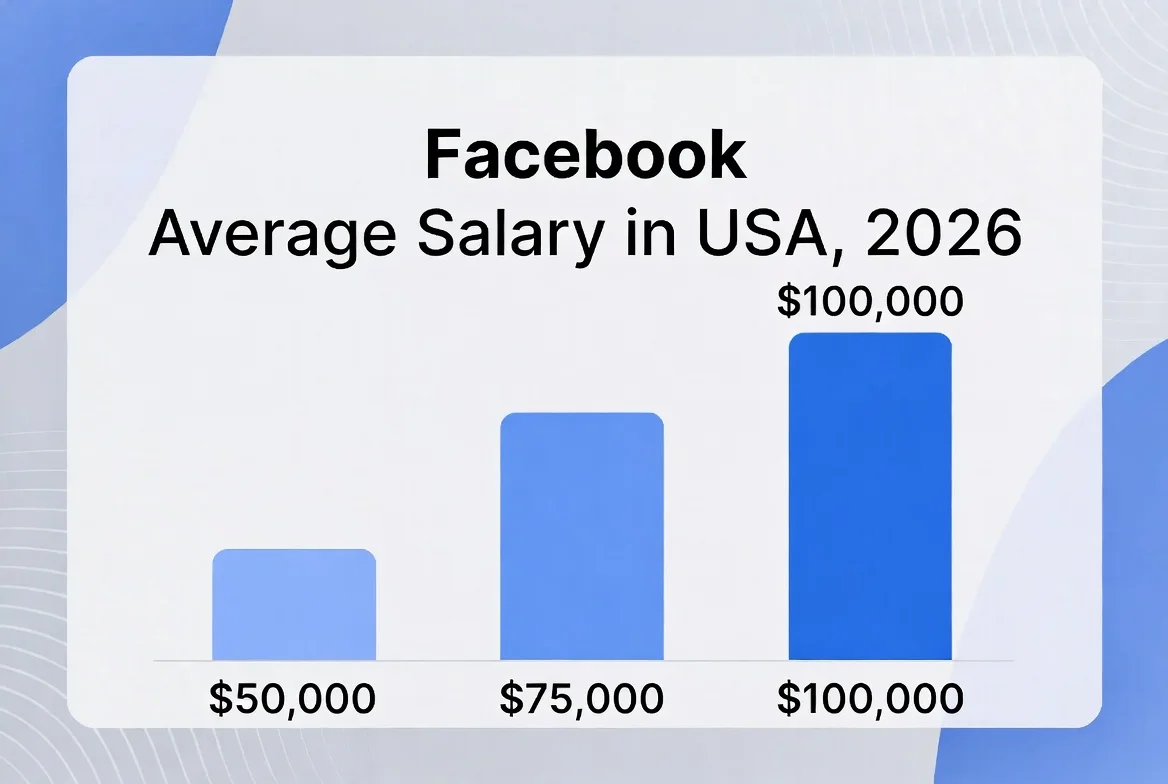

Facebook average salary data for 2026 provides a critical benchmark for tech professionals navigating one of the world’s most influential and competitive job markets. What is the current compensation landscape at Meta Platforms, Inc., and how do roles, experience, and location influence earning potential? This comprehensive analysis breaks down the latest salary figures, bonus structures, and equity trends for positions ranging from software engineering to marketing. Understanding these numbers is essential for both job seekers aiming to negotiate competitive offers and industry analysts tracking tech sector compensation.
What Is the Average Salary for a Facebook Employee in the USA in 2026?
How much does the average professional at Facebook (Meta) earn? According to aggregated data from 2026, the average base salary for a Facebook employee in the United States is approximately $165,000 per year. However, this figure only tells part of the story. What is the difference between base salary and total compensation? At Facebook, total compensation typically includes a significant annual bonus (often 10-20% of base salary) and substantial equity grants (Restricted Stock Units or RSUs), which can double or even triple the total annual package for in-demand roles. How many employees receive this level of compensation? While averages are high, there is considerable variance. Entry-level software engineers might see total compensation packages starting around $180,000, while senior engineers and managers can exceed $400,000. This makes Facebook one of the top paying companies in the global tech industry.
How Do Facebook Salaries Vary by Job Title and Function?
Which roles command the highest premiums at Meta? Salaries are heavily stratified by function, with technical and product roles leading the market. What are the best paying job titles?
-
Software Engineer: The backbone of the company. Average total compensation ranges from $190,000 for entry-level (E4) to over $500,000 for senior staff (E7+).
-
Product Manager: Critical for guiding product strategy. Compensation parallels engineering, with averages between $185,000 and $450,000 depending on level.
-
Data Scientist: Highly valued for insights. Total compensation typically falls between $175,000 and $380,000.
-
Technical Program Manager (TPM): Compensation ranges from $170,000 to $350,000.
-
Non-Technical Roles (Marketing, HR, Finance): While still competitive, these roles have lower ceilings. Average total compensation ranges from $120,000 to $250,000.
How much does leveling impact pay? Facebook’s meticulous leveling system (E3 for entry-level engineers, E5 for senior, etc.) is the primary driver of compensation, with each promotion resulting in a 20-35% increase in total target compensation.
Which US Locations Offer the Highest Salaries at Facebook?
Where you work significantly impacts your paycheck due to cost-of-living adjustments and market competition. What is the difference between salaries in Menlo Park and a remote location?
-
Menlo Park, CA (HQ): Remains the epicenter, offering the highest base salaries to offset the extreme cost of living in the Bay Area. Premiums of 15-20% over other locations are common.
-
Seattle, WA & New York, NY: Major tech hubs with salaries nearly on par with Menlo Park, often within 5-10%.
-
Remote (US): Facebook’s structured remote pay policy, adjusted based on the employee’s location, can result in salaries 10-25% lower than HQ rates, depending on the local market. However, equity grants are often standardized.
Should you relocate for a higher salary? The pros and cons involve weighing the gross salary increase against vastly different living expenses and personal lifestyle preferences.
How Does Experience Level Affect Compensation at Facebook?
How long does it take to see significant salary growth? Experience is quantified by Facebook’s internal leveling. How can you progress?
-
Entry-Level (0-3 years experience, E3/E4): Focused on execution. Total Compensation: $180,000 – $250,000.
-
Mid-Level (4-7 years, E5): “Senior” level, expected to lead projects independently. Total Compensation: $280,000 – $380,000. This is the most common “career” level.
-
Senior-Level (8-12 years, E6): “Staff” level, driving strategy for large areas. Total Compensation: $400,000 – $550,000.
-
Leadership & Principal (12+ years, E7+): “Senior Staff” and beyond, setting organizational direction. Total Compensation: $600,000+, heavily weighted toward equity.
The difference between E5 and E6 represents one of the most significant and challenging jumps in both responsibility and compensation.
What Is the Role of Equity and Bonuses in Total Compensation?
How much of a Facebook package is cash vs. equity? For senior roles, equity (RSUs) can comprise 50% or more of total annual compensation. How do bonuses work? The annual bonus, known as the “Performance Bonus,” is tied to individual and company performance, typically targeting 10-15% of base salary but capable of going higher for top performers.
Is it worth focusing on equity? Given Meta’s stock performance history, equity has been a massive wealth generator for long-tenured employees. However, it introduces market volatility risk. New hire grants are typically awarded as a four-year vesting schedule (25% per year).
How Do Facebook Salaries Compare to Other FAANG Companies in 2026?
Which tech giant pays the most? The competition for talent keeps salaries at parity among top firms. What is the best way to compare?
-
Netflix: Known for high all-cash compensation but less job security. Often leads in pure cash salary.
-
Google & Apple: Offer very similar total compensation structures to Facebook, with slight variances in bonus targets and equity refresh policies.
-
Amazon: Has a higher proportion of compensation in stock with a back-loaded vesting schedule (5/15/40/40), making the long-term value different.
Facebook remains firmly within the top tier, often leading in aggressive equity grants for experienced hires.
Table: Facebook 2026 Salary Overview by Key Role
| Role | Level | Average Base Salary | Average Bonus (Target) | Average Equity (Annual Grant) | Total Target Compensation |
|---|---|---|---|---|---|
| Software Engineer | E4 (Mid) | $155,000 | $23,000 | $65,000 | $243,000 |
| Software Engineer | E5 (Senior) | $190,000 | $38,000 | $135,000 | $363,000 |
| Product Manager | IC5 (Senior) | $185,000 | $37,000 | $130,000 | $352,000 |
| Data Scientist | IC4 | $150,000 | $22,000 | $55,000 | $227,000 |
| Technical Program Manager | IC5 | $175,000 | $26,000 | $95,000 | $296,000 |
| Marketing Manager | IC5 | $145,000 | $21,000 | $40,000 | $206,000 |
Frequently Asked Questions (FAQs)
1. What is the average starting salary for a new grad at Facebook in 2026?
For new graduate software engineers (E3 level), the average total compensation package in 2026 is approximately $185,000. This typically consists of a base salary around $125,000, a signing bonus, and an equity grant valued at roughly $50,000 per year on a four-year vest.
2. How often do Facebook employees get salary raises?
Employees can expect a formal compensation review annually, typically tied to the performance cycle. Promotions, which come with substantial raises, can happen at any time but are usually reviewed twice a year. Merit increases without promotion are common but more modest.
3. Does Facebook pay differently for remote workers?
Yes. As of 2026, Facebook (Meta) has a location-based pay policy. Employees are placed into geographic “zones” based on their work location. Salaries for remote employees are adjusted downward compared to those in high-cost areas like the Bay Area or New York, though equity grants often remain consistent.
4. What benefits supplement the salary at Facebook?
Facebook is renowned for its comprehensive benefits package, which includes premium healthcare plans with $0 premiums for employees, generous 401(k) matching, parental leave (up to 6 months), life insurance, and various wellness stipends. These benefits add significant value beyond the cash and equity compensation.
5. How can I negotiate a higher salary offer from Facebook?
Should you negotiate? Absolutely. The best way is to come with data (like competing offers) and clearly articulate your value based on your experience and the role’s requirements. Focus on the entire package—base, bonus, equity, and sign-on bonus. Recruiters often have some flexibility, especially for in-demand candidates.
6. Are the salary figures different for Meta’s Reality Labs (VR/AR) division?
Compensation is generally standardized across the company for similar levels and functions. However, certain highly specialized roles in cutting-edge fields like VR hardware engineering may command premium pay or unique grant structures to compete with the broader hardware industry.
Disclaimer: The salary figures, compensation structures, and data presented in this article are based on aggregated industry reports, anonymous employee submissions for the 2026 period, and market analysis. They are intended for informational purposes only and do not constitute a guaranteed offer of employment or compensation from Meta Platforms, Inc. Actual compensation can vary widely based on individual qualifications, interview performance, specific team budgets, and prevailing market conditions at the time of hire.
Keywords: facebook average salary, meta platforms salary 2026, facebook software engineer salary, facebook product manager compensation, faang salaries 2026, facebook remote salary, meta equity rsu, tech job salaries, facebook salary levels, facebook e5 salary