
Software Engineer Salary in the USA?

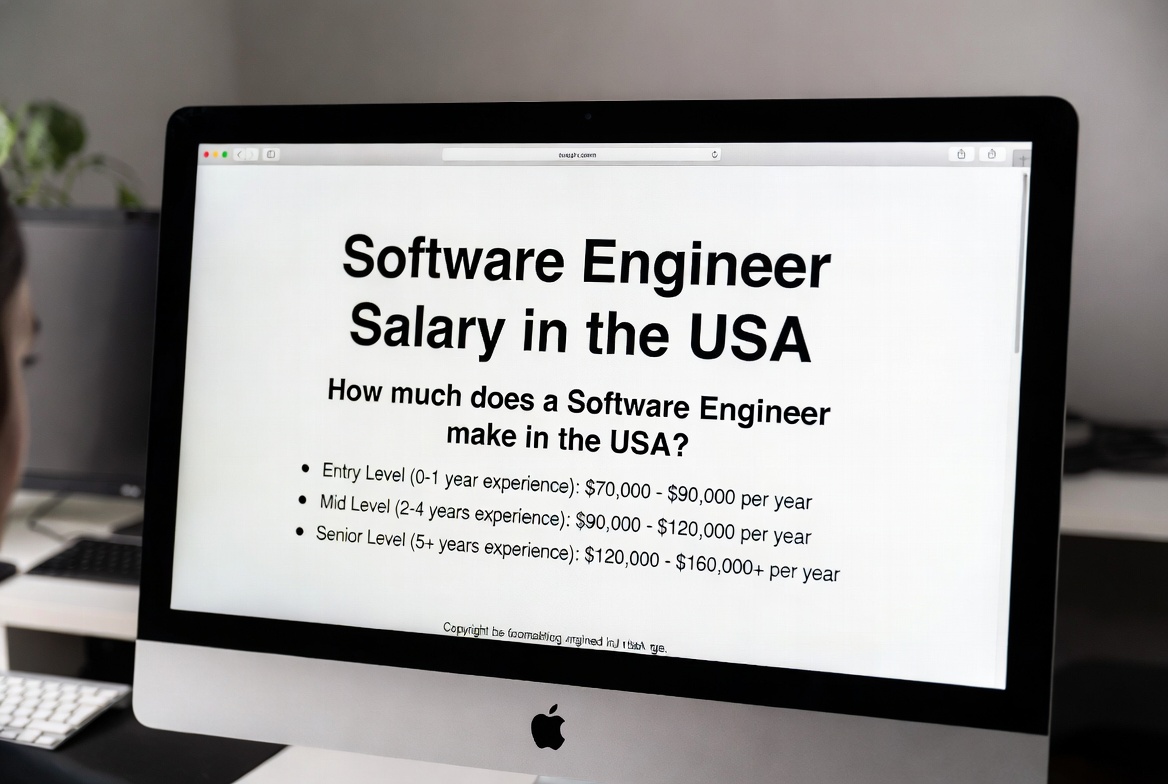

Software Engineer Salary in the USA: A Comprehensive Analysis of Compensation Trends
The salary of a Software Engineer in the United States is a dynamic figure influenced by a complex interplay of factors including geographic location, industry specialization, years of experience, and technical skill set. As of 2024, the national average base salary for software engineers typically falls between $90,000 and $180,000 annually, with total compensation packages often significantly higher when factoring in stock options, annual bonuses, and comprehensive benefits. This guide provides a detailed breakdown of the components that determine software engineering compensation, empowering professionals and job seekers with the data needed for informed career decisions.
Factors Influencing Software Engineer Salaries in the USA
Geographic Location and Cost of Living
Location is arguably the most significant determinant of a software engineer’s salary in the USA. Tech hubs with a high concentration of leading companies and a competitive talent market offer premium salaries to attract top talent, though these are often offset by a substantially higher cost of living. For instance, average salaries in Silicon Valley (San Francisco Bay Area) and Seattle are among the highest in the nation, frequently ranging from $130,000 to $220,000+ for mid-level roles. Other major tech cities like New York City, Boston, and Los Angeles also offer strong compensation packages. Conversely, salaries in regions with a lower cost of living or fewer tech companies can be lower on paper, though they may offer greater purchasing power.
Experience Level and Career Progression
Compensation scales dramatically with experience and seniority. The career path typically follows a trajectory from entry-level to senior, staff, and principal engineer roles, with each step commanding a substantial increase in pay and responsibility.
| Career Level | Typical Title | Years of Experience | Estimated Avg. Base Salary Range (USA) | Key Responsibilities & Compensation Notes |
|---|---|---|---|---|
| Entry-Level | Junior Software Engineer | 0-2 years | $70,000 – $110,000 | Focus on learning codebases, bug fixes, and small feature development. Compensation heavily influenced by company and location. |
| Mid-Level | Software Engineer | 2-5 years | $95,000 – $150,000 | Independent feature ownership, system design contributions, and mentoring juniors. Bonuses and stock grants become more significant. |
| Senior-Level | Senior Software Engineer | 5-8+ years | $130,000 – $200,000+ | Leading project architecture, major system design, cross-team collaboration. Total compensation heavily weighted towards equity/stock. |
| Leadership/Staff | Staff/Principal Engineer | 8-15+ years | $160,000 – $300,000+ | Setting technical vision, solving organization-wide problems, influencing tech strategy. High impact with complex compensation packages. |
Industry and Company Size
The industry in which a software engineer works profoundly impacts salary. Finance and FinTech (e.g., hedge funds, high-frequency trading firms) and Big Tech companies (e.g., FAANG: Meta, Amazon, Apple, Netflix, Google) are known for offering some of the most competitive total compensation packages, heavily laden with stock. Tech Startups, especially well-funded late-stage ones, may offer high base salaries and substantial equity, though this carries higher risk. Government contractors, non-profits, and companies outside the core tech sector often provide competitive benefits and work-life balance but may have lower overall cash compensation compared to top-tier tech firms.
Technical Skills and Specialization
Specific technical skills can command significant salary premiums. In-demand specializations as of 2024 include:
-
Machine Learning/AI Engineering: Engineers specializing in ML, deep learning, and AI model deployment are among the highest paid.
-
Distributed Systems & Cloud Architecture: Expertise in AWS, Azure, or GCP, coupled with skills in scalability and microservices.
-
Cybersecurity & DevSecOps: Professionals who can build secure systems and automate security into the development pipeline.
-
Mobile Development (iOS/Android): Senior engineers with deep platform expertise.
-
Programming Languages: Mastery of languages like Go (Golang), Rust, Scala, and Python for backend systems often correlates with higher pay.
Beyond Base Salary: Understanding Total Compensation
A Software Engineer’s total compensation (TC) in the USA is a multi-faceted package:
-
Base Salary: The fixed annual cash component.
-
Annual Bonus: A performance-based cash bonus, typically ranging from 5% to 20%+ of base salary.
-
Equity (Stock Options/RSUs): A critical component at tech companies. Restricted Stock Units (RSUs) are grants of company stock that vest over time (e.g., 4 years). Their value fluctuates with the company’s stock price.
-
Sign-on Bonus: A one-time cash bonus offered upon hiring to attract candidates.
-
Benefits: Health insurance (medical, dental, vision), retirement plans (401(k) with company match), unlimited/flexible PTO, parental leave, and other perks.
Frequently Asked Questions (FAQ)
What is the difference between a Software Engineer and a Software Developer in terms of salary?
In the US job market, the titles “Software Engineer” and “Software Developer” are often used interchangeably, and salary data is typically aggregated together. Any perceived salary difference usually stems from the specific company’s titling conventions, the seniority of the role, and the complexity of the work (e.g., more systems design vs. application development) rather than the title itself.
How important is a computer science degree for salary potential?
While a Bachelor’s degree in Computer Science or a related field is a common requirement and can provide a strong foundation and higher starting salary, its long-term impact diminishes with experience. A proven portfolio of work, contributions to open-source projects, and demonstrable skills can be equally or more valuable, especially in the startup ecosystem. Many senior engineers have degrees in other fields or are self-taught.
What is the best way to negotiate a software engineer salary?
Successful negotiation is based on research and leverage:
-
Know Your Market Value: Use platforms like Levels.fyi, Blind, and Glassdoor to research compensation for your specific role, location, and experience level.
-
Highlight Your Value: Articulate your specific skills, accomplishments, and how they solve the company’s problems.
-
Negotiate the Entire Package: Consider all elements—base, bonus, equity, sign-on bonus, and benefits. You can often negotiate a higher sign-on bonus if the base salary is fixed.
-
Get Offers in Writing: Having competing offers is the most powerful leverage in any negotiation.
Keywords: software engineer salary usa, software developer salary, tech salaries 2024, FAANG salary, total compensation, software engineer jobs, salary by experience, silicon valley salary, remote software engineer salary, equity compensation
Disclaimer: The salary figures and data presented in this article are for informational purposes only. They are based on aggregated market research, reported data, and industry trends as of 2024. Actual compensation can vary widely based on individual circumstances, company policies, economic conditions, and negotiation outcomes. Always conduct your own research and consult with professional advisors for personal financial decisions.