
Nonprofit Organizations Supporting Immigrants in the USA

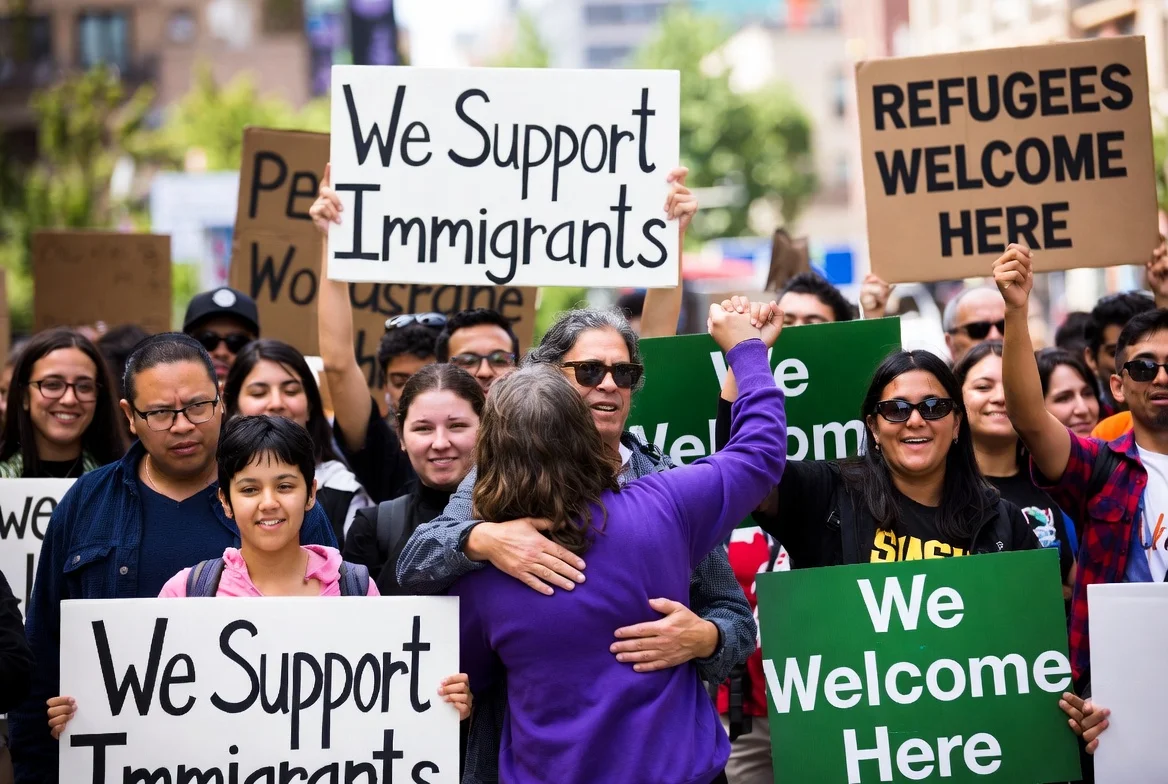

Nonprofit organizations for immigrants are critical pillars of support, advocacy, and integration for millions navigating the complex U.S. immigration system. In a landscape of evolving policies, what is the best way for new arrivals and long-term residents to find essential legal aid, social services, and community? How can donors and volunteers effectively identify trustworthy charities to maximize their impact? This comprehensive guide explores the top nonprofits dedicated to immigrant empowerment, detailing their missions, service areas, and the tangible differences they make in communities nationwide. Understanding this ecosystem is vital for anyone seeking help or looking to contribute to a more just and welcoming society.
What Are the Key Types of Nonprofit Services Offered to Immigrants?
How do immigrant-serving organizations differ in their focus, and which type of service might be needed most? The sector is broadly divided into several key service categories. First, Legal Services and Advocacy organizations provide direct representation in asylum cases, deportation defense, family reunification petitions, and citizenship applications. What is the difference between a nonprofit law firm and a pro bono network? Nonprofit law firms, like the Immigrant Legal Resource Center (ILRC), often handle complex cases and engage in systemic advocacy, while pro bono networks coordinate volunteer attorneys for individual cases.
Second, Direct Service and Resettlement agencies offer immediate practical support. This includes housing assistance, English language classes (ESL), job training, and access to healthcare. Organizations such as Church World Service (CWS) specialize in resettling refugees, providing a safety net during their critical first months. Third, Policy, Education, and Organizing groups work on a macro level. They conduct research, lobby for equitable immigration laws, and empower immigrant communities to advocate for themselves. How effective are these different approaches? They are deeply interconnected; direct service reveals systemic flaws that policy work aims to fix, while legal defense protects individuals from unjust laws.
How to Evaluate and Choose a Reputable Immigrant Nonprofit?
With countless organizations seeking support, what should a donor or volunteer look for to ensure credibility and impact? Which metrics indicate a well-run, effective nonprofit? Transparency is the first key indicator. Reputable organizations readily share their financials, typically via their IRS Form 990, on their website or platforms like GuideStar or Charity Navigator. Look for a clear breakdown of how funds are used, with a significant majority going directly to program services rather than administrative overhead.
What are the best ways to assess an organization’s real-world impact? Look for specific, measurable outcomes in their annual reports. Do they state how many individuals received legal representation, the success rate of their cases, or how many people completed job training programs? How can you understand their community standing? Seek out testimonials, partner affiliations (e.g., with national networks like the National Immigration Forum), and news coverage. A strong local presence and partnerships with other community-based organizations are often signs of deep, trusted integration.
What Are the Top National Nonprofits Supporting Immigrants?
Which organizations have the broadest reach and most significant influence on immigrant rights and support at a national level? Several stand out for their scale, history, and comprehensive approach.
-
The International Rescue Committee (IRC) operates globally, with a massive U.S. footprint for refugee resettlement, offering services from arrival to citizenship.
-
United We Dream is the largest immigrant youth-led network in the country, focusing on advocacy and empowerment for undocumented young people.
-
The American Immigration Council conducts research, litigation, and communications aimed at shaping a more fair and just immigration system.
-
Catholic Legal Immigration Network, Inc. (CLINIC) is a nationwide network of non-profit legal service providers, bolstering capacity and training for community organizations.
-
The National Immigration Law Center (NILC) is dedicated to defending and advancing the rights of low-income immigrants through litigation, policy analysis, and advocacy.
How do these national organizations differ from local ones? National groups often set precedent through high-impact litigation and federal policy work, while local nonprofits provide the essential, on-the-ground services that directly touch individuals’ lives. The most effective support often involves collaboration between the two.
How Do Local Community-Based Organizations (CBOs) Differ?
Why are local Community-Based Organizations (CBOs) indispensable, and what is their primary role? Local CBOs are the frontline responders, deeply embedded within specific cities or neighborhoods. They offer hyper-localized services that national groups cannot, such as culturally specific counseling, local know-your-rights workshops in native languages, and partnerships with city agencies and local schools.
What are the pros and cons of supporting a local CBO versus a national nonprofit? Pros for CBOs include deep community trust, agile response to local needs, and the ability to provide personalized, holistic support. Cons can include less name recognition for donors and potentially more limited resources. Supporting a local CBO often means your contribution has a very direct and visible impact on your own community. How can you find a reputable local CBO? Start with municipal government immigrant affairs offices, community foundations, or referrals from national networks like CLINIC.
What Are the Critical Legal Services Provided and How to Access Them?
How can an immigrant in need find reliable and affordable legal help, and what types of cases do these services cover? Access to competent legal counsel is often the single most decisive factor in an immigration case. Nonprofits provide vital services in Asylum Representation, Deportation Defense, Family-Based Petitions, Naturalization (Citizenship) Applications, and DACA (Deferred Action for Childhood Arrivals) renewals.
What is the best way to find a legal service provider? The U.S. Department of Justice’s Recognition & Accreditation (R&A) Program maintains a list of federally recognized nonprofits and accredited representatives. Additionally, the Immigrant Advocates Network resource directory is a trusted starting point. How much do these services cost? While many organizations operate on a sliding scale or provide services free of charge based on income, demand far exceeds supply, leading to long waitlists. This underscores the critical need for funding in this sector.
What Role Do Nonprofits Play in Advocacy and Systemic Change?
Beyond direct service, how do nonprofits work to change the underlying systems and policies affecting immigrants? Advocacy work is multifaceted. Policy Advocacy involves lobbying legislators, drafting model bills, and providing expert testimony on proposed laws. Litigation is used to challenge unconstitutional or unjust policies in court, setting legal precedents that protect millions. Public Education and Narrative Change work aims to shift public perception by sharing authentic immigrant stories and countering misinformation.
Which organizations are known for high-impact advocacy? The American Civil Liberties Union (ACLU) Immigrants’ Rights Project has a long history of landmark litigation. The Center for Gender & Refugee Studies advocates powerfully for the rights of women, children, and LGBTQ+ individuals fleeing persecution. How effective is this work? While slow, systemic advocacy is essential for creating durable, large-scale change that prevents hardship before it occurs.
Table: Guide to Major Nonprofit Categories for Immigrant Support
| Nonprofit Category | Primary Focus | Key Services Offered | Example Organizations (2026) |
|---|---|---|---|
| Legal Services & Representation | Navigating the U.S. legal system | Asylum cases, deportation defense, family petitions, citizenship applications, legal consultations. | RAICES, Immigrant Defenders Law Center, HIAS |
| Resettlement & Direct Services | Immediate stability & integration | Housing, employment assistance, ESL classes, cultural orientation, food & clothing banks. | International Rescue Committee (IRC), Lutheran Immigration and Refugee Service (LIRS) |
| Policy Advocacy & Litigation | Changing laws & setting legal precedent | Federal/state lobbying, impact litigation, legal research & analysis, public policy reports. | National Immigration Law Center (NILC), American Immigration Council |
| Community Organizing & Empowerment | Building grassroots power | Know-your-rights training, leadership development, civic engagement, community mobilizing. | United We Dream, National Domestic Workers Alliance |
| Specialized Support | Addressing specific community needs | Services for survivors of violence, LGBTQ+ immigrants, unaccompanied minors, detainees. | Tahirih Justice Center, Immigration Equality, Kids in Need of Defense (KIND) |
Frequently Asked Questions (FAQs)
1. How can I find free or low-cost legal help for an immigration case?
Start by using the online directory from the Immigrant Advocates Network or the Justice Department’s list of recognized agencies. Call your local Legal Aid society or community foundation for referrals. Many nonprofits offer free “clinics” for initial consultations.
2. What is the difference between a 501(c)(3) and other immigrant advocacy groups?
A 501(c)(3) is a tax-exempt charitable organization. Donations to them are tax-deductible, but their lobbying activities are limited. Other groups, like 501(c)(4) social welfare organizations, can engage in unlimited lobbying and political advocacy, but donations are not tax-deductible. Most direct service providers are 501(c)(3)s.
3. Are donations to immigrant nonprofits tax-deductible?
If the organization is a registered 501(c)(3) public charity, your donation is generally tax-deductible. Always check the organization’s website for their tax-exempt status and request a receipt for your records.
4. What are the most needed items or volunteer roles?
Needs vary but commonly include: Volunteer Roles: Pro bono legal work, ESL tutoring, mentorship, interpretation/translation, office support. Needed Items: Grocery store gift cards, new hygiene products, prepaid phones, laptops for remote learning, professional clothing for job interviews.
5. How can I verify that a nonprofit is legitimate and effective?
Use watchdog sites like Charity Navigator, GuideStar, and the Better Business Bureau’s Wise Giving Alliance. Review their audited financial statements and annual reports to see how they spend their money and what outcomes they achieve.
6. How has the landscape of immigrant nonprofits changed in recent years?
As of 2026, organizations have continued to adapt to policy shifts, increased demand for deportation defense, and the integration of newer migrant groups like those from Ukraine and Venezuela. There is a strong emphasis on digital service delivery, remote legal consultations, and combating misinformation online.
7. Can undocumented individuals safely access nonprofit services?
Reputable nonprofits prioritize client confidentiality and safety. They do not share client information with immigration authorities. Many operate under explicit “sanctuary” or trust policies. It is always advisable to ask about an organization’s privacy policy before sharing detailed personal information.
Disclaimer: The information provided in this article is for general guidance and informational purposes only as of 2026. It does not constitute legal advice. Immigration laws and policies change frequently, and the availability of nonprofit services can vary by location and capacity. Individuals should contact organizations directly for the most current information and seek advice from a qualified legal professional for any personal immigration matters.
Keywords: nonprofit organizations immigrants, immigrant support services, free immigration legal help, refugee resettlement agencies, immigrant rights organizations, charity for immigrants, how to help immigrants, immigrant advocacy groups, community-based organizations, immigration nonprofit 2026