
Know Your Rights: ICE Encounters & Legal Protections

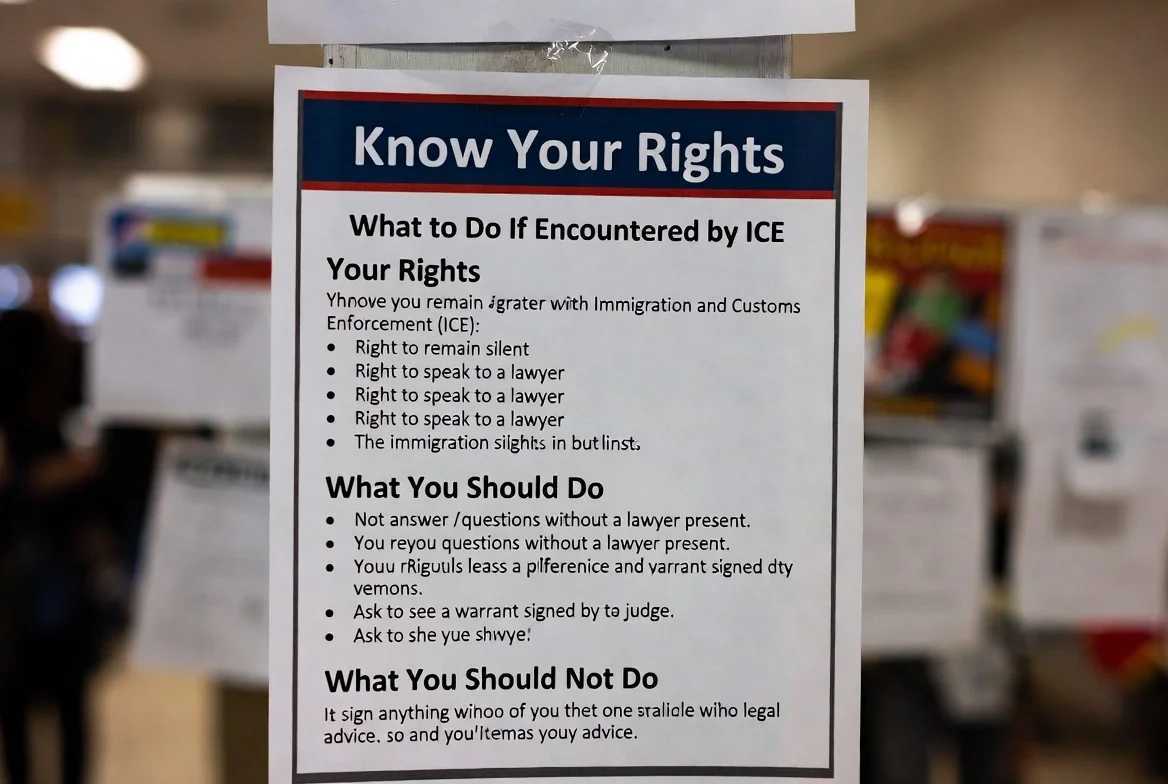

Know your rights ICE interactions are critical information that can protect your liberty and ensure due process. In the tense and often confusing moment of an encounter with Immigration and Customs Enforcement (ICE), what are you legally required to do? How can you assert your rights without escalating the situation? This essential guide breaks down your fundamental legal protections during stops, home visits, worksite raids, and detentions. Understanding these principles is not just helpful—it’s a vital tool for safeguarding yourself and your family in line with U.S. law.
What Are Your Basic Constitutional Rights During Any ICE Encounter?
Why do constitutional rights matter when facing immigration enforcement? The difference between knowing and not knowing your rights can fundamentally alter the outcome of an encounter. First, you have the right to remain silent. You are not legally obligated to answer questions about your birthplace, immigration status, or how you entered the U.S. Which words should you use? You can clearly and calmly state: “I choose to remain silent.” Second, you have the right to refuse consent to a search. ICE agents cannot search your home, car, or belongings without your consent, a warrant, or probable cause. How should you respond if they ask? You can say, “I do not consent to a search.” Third, you have the right to speak to a lawyer. If you are detained or arrested, you have the right to consult with an attorney, and one should be provided if you are placed in removal proceedings. When should you ask for a lawyer? Immediately. Say, “I want to speak to a lawyer.” These are the top three rights to memorize and assert.
How to Handle an ICE Stop in a Public Place or While Driving?
An ICE approach in public is intimidating. What is the best way to stay calm and protect yourself? First, ask if you are free to leave. You can say, “Am I free to go?” If the agent says yes, leave calmly and quietly. If you are not free to go, you are being detained, and you should immediately invoke your right to remain silent and request a lawyer. Should you provide identification? If you are driving, you must show your driver’s license, registration, and proof of insurance to any law enforcement officer, including ICE, if they have legitimate reason to stop you. However, you are not required to carry or show your passport or green card at all times. How can you determine if it’s ICE? You have the right to ask, “Are you immigration officers?” Knowing who you are dealing with is crucial.
What Are Your Rights During an ICE Knock at Your Home Door?
A knock at the door by ICE officers is a high-stress scenario. What should you do first? Do not open the door. You can communicate through the door. ICE cannot enter your home without a valid judicial warrant signed by a judge. An administrative “warrant” from ICE is not enough to force entry. How can you verify the warrant? Ask them to slide the warrant under the door or hold it up to a window. What are you looking for? A judicial warrant will have your specific name and address, and be signed by a judge. If they do not have one, you can refuse entry by stating, “I do not consent to your entry.” You are not required to open the door or speak to them. If they force entry despite your refusal, do not physically resist. Clearly state your non-consent and immediately contact a lawyer.
How to Prepare and What to Do During an ICE Worksite Raid?
Worksite raids are designed to create chaos and fear. What are the best ways to prepare with your coworkers? Have a workplace know-your-rights plan. Designate a point person to contact legal aid and family members. During the raid, you have the same rights: the right to remain silent and the right to a lawyer. You can ask, “Am I free to leave?” If not, invoke your right to silence. Should you run or resist? No. Comply with orders to avoid physical harm or additional charges, but do not answer questions about your immigration status. You have the right to make a local phone call if detained. How many people should be informed? Ensure your family knows the name and number of your immigration attorney or a community bond fund.
What Is the Difference Between an Immigration Hold and an Arrest?
Understanding the difference between an ICE hold (also known as a detainer) and a formal arrest is key. An ICE detainer is a request from ICE to a local jail to hold an individual for an extra 48 hours after their scheduled release so ICE can pick them up. What should you know? Many states and localities have policies limiting compliance with detainers because they are not judicial warrants. A formal arrest by ICE means you are in federal custody for immigration purposes. When does this happen? This can occur if ICE has a warrant for your arrest or if they take you into custody directly. Upon arrest, your right to a lawyer begins. It is critical to have legal representation to navigate the deportation defense process.
How Can You Create a Family Preparedness Plan for ICE Enforcement?
Proactive planning can mitigate the trauma of separation. What is the best way to create a family safety plan? First, designate a trusted guardian for your children and ensure they have legal authority (via a power of attorney) to care for them. Second, keep important documents (birth certificates, passports, immigration papers) in a safe and accessible place, and provide copies to your designated guardian and lawyer. Third, prepare a “know your rights” card to carry with you at all times. How much information should it include? Your name, blood type, emergency contacts, attorney’s number, and a statement of your rights. Fourth, have a financial plan, including access to emergency bond money. Community-based bond funds can be a critical resource.
What Legal Resources and Support Networks Are Available to You?
You are not alone. Which organizations provide critical support? Non-profit legal service providers, immigrant rights organizations, and community bonds funds are essential. How can you find a reputable lawyer? Use referrals from trusted community organizations, not notarios or unauthorized consultants. The Executive Office for Immigration Review (EOIR) provides a list of free legal service providers. When should you contact them? As soon as possible, especially if a family member is detained. Is it worth reaching out to local advocacy groups? Absolutely. They often provide know-your-rights workshops, accompaniment to check-ins, and political advocacy. Building this knowledge and network is one of the top strategies for community resilience.
Frequently Asked Questions (FAQs)
1. Do I have to answer questions from ICE about my immigration status?
No. You have the constitutional right to remain silent. You are not required to answer any questions about where you were born, how you entered the United States, or your immigration status. You should clearly state, “I choose to remain silent.”
2. What should I do if ICE has a warrant?
First, verify it is a judicial warrant signed by a judge, not an administrative warrant from ICE. Look for your exact name and address. If it is a valid judicial warrant, you must comply. If it is only an ICE administrative warrant, it does not grant them the right to enter your home without your consent. You can still refuse entry.
3. Can I be deported immediately without seeing a judge?
In most cases, no. You have the right to a hearing before an immigration judge. Exceptions exist for certain individuals with prior, specific deportation orders under “expedited removal.” This is why asserting your right to a lawyer immediately is crucial to challenge wrongful placement into fast-track removal.
4. What information should I carry on a “know your rights” card?
Your card should include: Your full name and aliases, your A-number (if you have one), emergency contact numbers (family and lawyer), your doctor’s information, any medical conditions, and a simple script like: “I invoke my right to remain silent. I wish to speak to a lawyer. I do not consent to a search.”
5. What if ICE arrests me at work?
Stay calm. Do not run or resist physically. Tell your supervisor or designated coworker. Politely state to the officers, “I wish to remain silent. I want to speak to a lawyer.” Remember you have the right to make a phone call. Contact your family and your attorney immediately.
6. How can I verify if someone is really in ICE custody?
Use the ICE Online Detainee Locator System. You will need the individual’s full name, date of birth, and country of birth, or their A-Number. This can help you confirm their location to arrange legal help.
7. Are my rights different if I am a lawful permanent resident (green card holder)?
Your core know-your-rights protections are the same. You have the right to remain silent and the right to a lawyer. However, any interaction with ICE can have serious consequences for your immigration status. It is even more critical for green card holders to consult with an immigration attorney before speaking to ICE.
Disclaimer: The information provided in this article is for general educational and informational purposes only and does not constitute legal advice. Immigration law is complex and constantly changing. Every situation is unique. You should consult with a qualified immigration attorney for advice regarding your individual circumstances.
Keywords: know your rights ICE, what to do if ICE stops you, ICE home visit rights, immigration enforcement rights, how to handle ICE raid, right to remain silent immigration, immigration lawyer help, family preparedness plan ICE, ICE detainer, immigration bond