Can a Landlord Ask About Immigration Status

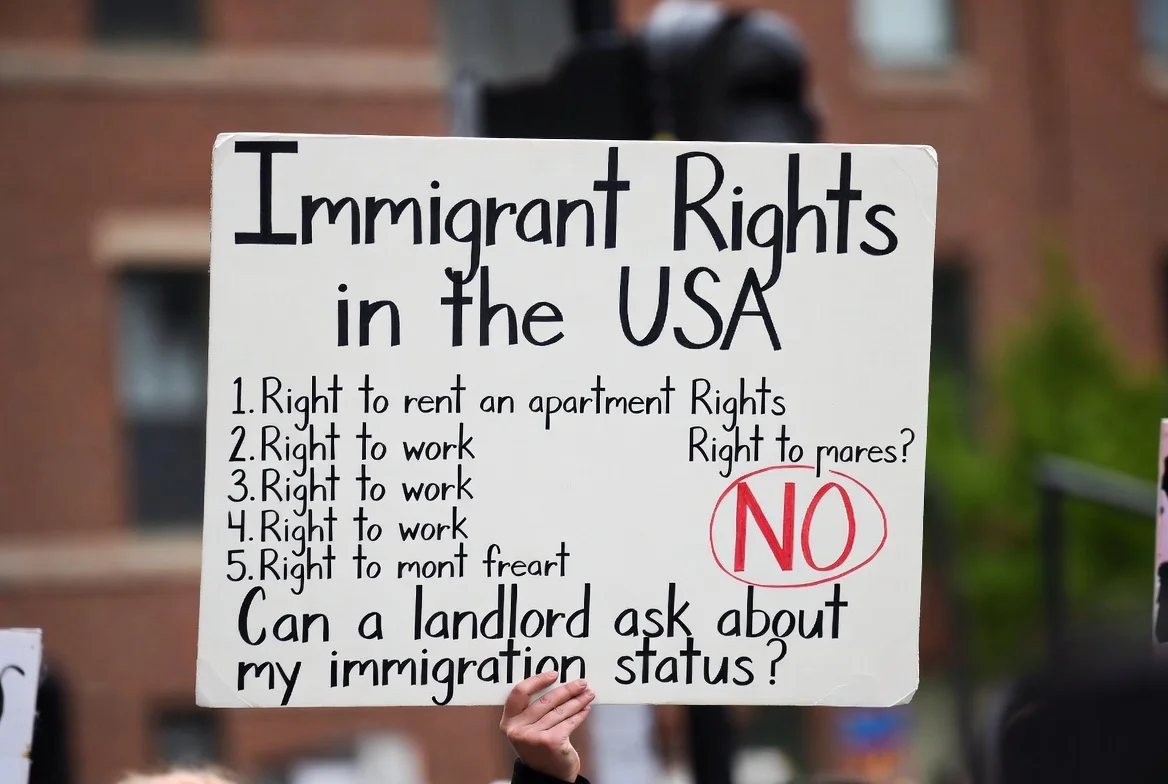

Immigration status is a sensitive and legally protected area in housing, making the question of whether a landlord can inquire about it a critical concern for both tenants and property owners. In a competitive rental market, what are the legal boundaries that define a landlord’s right to screen applicants? How can tenants protect their rights while landlords ensure compliance with complex federal, state, and local laws? This definitive guide examines the intersection of housing law, tenant rights, and immigration to provide clear answers and actionable tips for navigating this complex issue.
What Federal Laws Govern Landlord Inquiries into Immigration Status?
Why is federal law the starting point for understanding this issue? The primary federal statute governing housing discrimination is the Fair Housing Act (FHA), which prohibits discrimination based on national origin, among other protected classes. What is the difference between asking about nationality and immigration status? While national origin refers to a person’s country of birth or ancestry, immigration status is a separate legal classification. Courts have consistently held that discrimination based on immigration status can be a form of national origin discrimination, as it disproportionately affects people from certain countries. Therefore, a blanket policy of rejecting applicants based solely on their immigration status may violate the FHA. Additionally, the Department of Housing and Urban Development (HUD) has issued guidance stating that housing providers who apply different screening criteria based on citizenship or immigration status may be held liable for discrimination.
How Do State and Local Laws Further Restrict Landlord Questions?
Beyond federal law, how can state and local regulations provide even stronger protections for tenants? Many states and cities have enacted “sanctuary” or “fair housing” laws that explicitly prohibit landlords from asking about or disclosing a tenant’s immigration status. Which states have such protections? For example, California’s Immigrant Tenant Protection Act (AB 291) makes it unlawful for a landlord to threaten to disclose immigration status to intimidate a tenant, deny housing based on status, or even ask about status for the purpose of discrimination. Similar laws exist in New York, New Jersey, Illinois, and Washington, among others. In these jurisdictions, a landlord asking about immigration status during the application process could face significant legal penalties, even if the inquiry is well-intentioned. When should you consult local ordinances? Before applying for a rental or screening a tenant, it is crucial to understand the specific laws in your city and county, as they can be more restrictive than state or federal law.
What Are Legitimate Screening Criteria vs. Discriminatory Questions?
Landlords have a legitimate interest in screening tenants for financial reliability and rental history. What is the best way to conduct legal screening without venturing into discriminatory territory? Legitimate criteria include:
-
Credit history and score.
-
Current and past income (typically verified with pay stubs, tax returns, or bank statements).
-
Rental history and references from previous landlords.
-
Criminal background checks (though subject to local “ban the box” restrictions).
How much information is too much? A landlord can and should require documentation that verifies identity and financial capacity. A government-issued ID (like a driver’s license or state ID) and a Social Security Number (SSN) or Individual Taxpayer Identification Number (ITIN) are standard for running credit and background checks. Should a landlord ask for specific immigration documents, such as a visa or green card? As a general rule, no. Requiring specific immigration documents as a condition of tenancy is a high-risk practice that can easily be construed as discrimination based on national origin. The pros and cons of strict documentation policies are clear: while they may seem thorough, they expose the landlord to substantial legal liability if challenged.
When Might a Landlord Have a Legal Basis to Ask About Status?
Are there any exceptions where inquiry into immigration status is permitted? The legal landscape is nuanced. Can a landlord ever ask? There are limited, high-risk scenarios, often tied to specific federal programs or regulations. For instance, landlords participating in certain federal housing assistance programs (like Section 8) may be required to verify the eligibility of all adult household members, which includes citizenship or eligible immigration status. However, this verification is done directly through the public housing agency, not through unilateral landlord inquiry. Outside of such specific, federally mandated contexts, a landlord’s inquiry is legally perilous. When in doubt, the safest legal course is to avoid the question entirely and rely on the standard, non-discriminatory screening criteria listed above.
What Are the Potential Penalties for Unlawful Inquiries or Discrimination?
Understanding the consequences is key. What should a landlord fear if they illegally ask about or discriminate based on immigration status? Penalties can be severe and include:
-
Civil Lawsuits: Tenants can sue for damages, including actual damages (like the cost of finding new housing), emotional distress, and punitive damages.
-
Government Enforcement: HUD or a state’s attorney general can file a discrimination complaint, leading to investigations, fines, and mandatory policy changes.
-
Injunctive Relief: A court can order the landlord to rent the unit to the applicant and undergo fair housing training.
-
Attorney’s Fees: The losing party (often the landlord) may be ordered to pay the legal fees of the prevailing tenant.
How often do these cases occur? Fair housing organizations actively test for this type of discrimination, and with the prevalence of state laws prohibiting it, the risk of enforcement is real and growing.
How Can Tenants Respond if Asked About Their Immigration Status?
For tenants, knowing your rights is empowering. How can you respond if a landlord or agent asks an inappropriate question about your status?
-
Politely Redirect: You are not obligated to answer. A response could be, “I prefer to provide the standard documentation required for a credit and background check, like my ID and SSN/ITIN.”
-
Know the Law: You can state, “My understanding is that under [State Name] law, that question is not permitted during the rental application process.”
-
Document the Interaction: Keep notes of the conversation, including the date, time, person’s name, and the exact question asked.
-
File a Complaint: If you believe you were denied housing due to your immigration status (or a refusal to answer), you can file a complaint with HUD or your state/city’s civil rights or fair housing agency. What is the best way to file? These agencies typically have online portals and strict deadlines (often within one year of the incident).
| Scenario | Is This Legal? | Recommended Action for Landlord | Tenant’s Right |
|---|---|---|---|
| Asking “Are you a U.S. citizen?” on an application. | Likely Illegal in many states; high risk of FHA violation. | Remove the question. Screen based on income, credit, and rental history. | Tenant can refuse to answer and report the practice. |
| Requiring a Social Security Number for a credit check. | Generally Legal, but must accept ITINs as an alternative. | State that an SSN or ITIN is required for standard screening. Apply policy equally to all applicants. | Tenant can provide an ITIN if they have one. |
| Threatening to call ICE because a tenant complained. | Explicitly Illegal under state laws like CA’s AB 291. | Never use immigration status as a threat or retaliation tool. | Tenant has immediate grounds for a lawsuit and possibly a restraining order. |
| Verifying eligibility for a federally subsidized housing program. | Legal & Required but done via the agency, not direct landlord inquiry. | Follow the public housing agency’s specific verification protocol. | Tenant must cooperate with the agency’s lawful verification process. |
Frequently Asked Questions (FAQs)
1. Can a landlord require a green card or visa as part of the application?
No. In the vast majority of standard, private rental situations, requiring specific immigration documents is considered discriminatory. It is a top mistake landlords make that leads to fair housing complaints. Landlords should only require documentation necessary to verify identity and financial qualifications, such as a government-issued photo ID and proof of income.
2. What if the tenant is undocumented? Does that change the landlord’s liability?
A tenant’s immigration status does not negate their rights under fair housing or tenant protection laws. A landlord who discriminates against an undocumented tenant can still be held liable under the Fair Housing Act for national origin discrimination. Furthermore, many state laws explicitly protect all tenants regardless of status.
3. Is it legal to ask for a passport as an ID?
Yes, asking for a form of government-issued identification is standard practice. A passport is a valid ID. However, the legality hinges on intent and consistency. If a landlord only asks for passports from applicants with foreign-sounding names or accents, but accepts driver’s licenses from others, this selective application is discriminatory.
4. Should I, as a landlord, verify work authorization?
No. Verifying work authorization (Form I-9) is the responsibility of employers, not landlords. A landlord’s concern is whether the applicant has sufficient and stable income to pay rent, not their legal right to work in the U.S. You can verify income through pay stubs, bank statements, or employer contacts without delving into authorization status.
5. What if I’m renting a room in my own owner-occupied house?
The Fair Housing Act includes an exemption for owner-occupied buildings with four or fewer units (the “Mrs. Murphy” exemption). In this specific scenario, federal fair housing laws may not apply. However, state and local laws often do not have this exemption. You must check your local regulations, as many state fair housing laws still prohibit this discrimination even for small, owner-occupied properties.
6. How can a landlord protect themselves while complying with the law?
The best way is to use a uniform, written screening policy applied to every applicant. The policy should list the exact criteria used (minimum credit score, income-to-rent ratio, etc.) and the documents required to verify those criteria (e.g., “two most recent pay stubs”). This creates a fair, transparent, and legally defensible process.
7. Where can I report a landlord for asking about my immigration status?
You can file a complaint with the U.S. Department of Housing and Urban Development (HUD) online or by phone. You should also file a complaint with your state’s civil rights agency or your city’s fair housing/local human rights commission. These agencies have investigators who can take action against the landlord.
Disclaimer: The information provided in this article is for general informational and educational purposes only and does not constitute legal advice. Housing and immigration laws are complex and vary significantly by federal, state, and local jurisdiction. The legal landscape is also subject to change. You should consult with a qualified attorney specializing in fair housing or tenant law for advice on your specific situation.
Keywords: can landlord ask immigration status, renting undocumented immigrant, fair housing and immigration, tenant rights immigration, landlord legal questions, housing discrimination law, rental application legally, verify tenant immigration status, HUD immigration, state tenant laws