
English Practice Websites
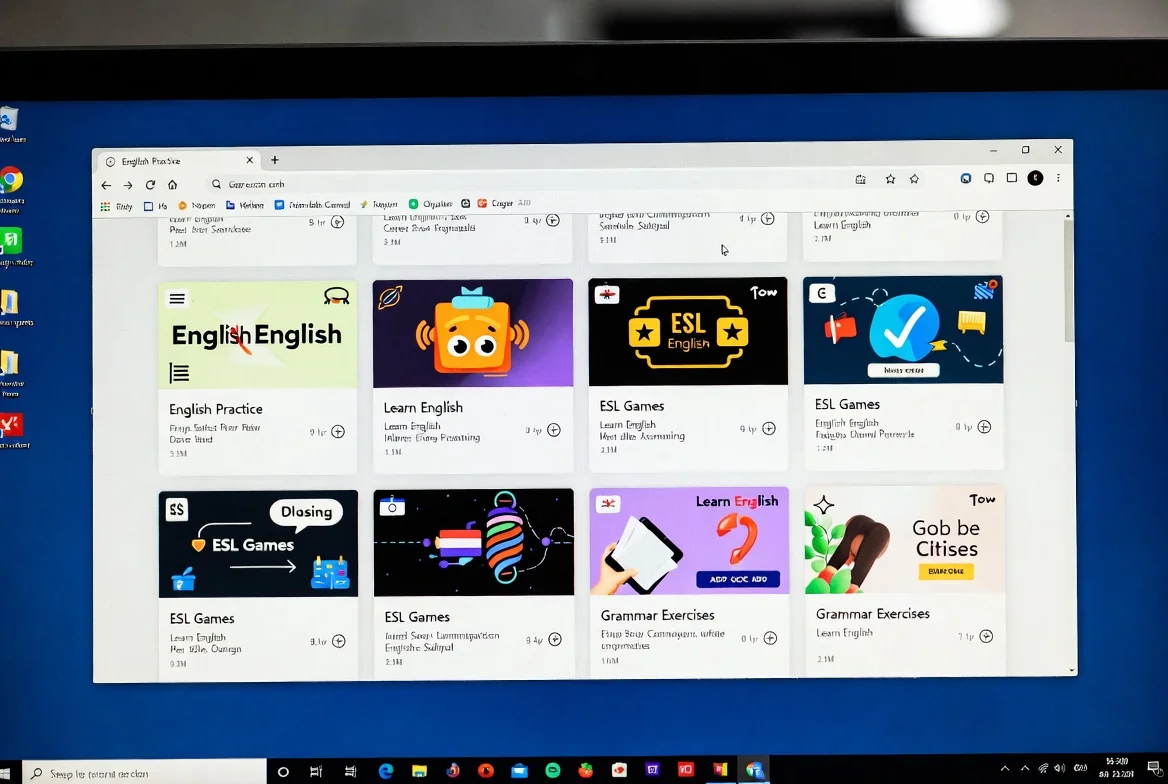

English practice websites have revolutionized language learning, offering interactive, accessible, and personalized paths to fluency from anywhere in the world. But with an overwhelming number of platforms available, which ones deliver the best results for your specific goals and how can you use them effectively without wasting time or money? This definitive guide analyzes the top digital tools, breaking down their best features, ideal use cases, and cost-effectiveness to help you build a powerful, balanced practice routine. Whether you’re preparing for an exam, advancing your career, or aiming for conversational confidence, understanding the digital landscape is the first step to rapid progress.
What Are the Best Free Websites for Daily English Practice?
For learners on a budget, numerous high-quality platforms offer substantial value at no cost. How can you build a consistent habit using only free resources? The key is to combine tools that target different skills: listening, reading, grammar, and vocabulary.
Duolingo remains a top contender for gamified, foundational learning. How effective is it for serious students? Its strength lies in building a daily habit and cementing basic grammar and vocabulary through repetitive, bite-sized exercises. However, it should be supplemented with resources that develop spontaneous speaking and writing.
BBC Learning English is an unparalleled resource for intermediate to advanced learners. What makes it exceptional? It provides authentic, high-quality content like news-based videos, dramatized series (e.g., “The English We Speak”), and in-depth grammar explanations, all aligned with real-world usage and contemporary topics.
How many skills can you practice on one site? ESL Bits offers a treasure trove of leveled audiobooks, news articles, and songs with synchronized transcripts, making it a powerhouse for improving listening comprehension and reading speed simultaneously. For structured grammar practice, UsingEnglish.com provides a vast repository of quizzes and printable reference sheets.
How to Use Language Exchange Platforms for Authentic Conversation Practice?
While apps teach you the language, conversation teaches you how to use it. What is the difference between a traditional tutor and a language exchange partner? Exchanges are mutual and often free, focusing on cultural exchange and reciprocal learning.
Tandem and HelloTalk are the leading platforms connecting millions of learners worldwide. How do you find a good partner and structure a session? A clear profile stating your native language, your English level, and specific goals (e.g., “Practice job interviews”) is crucial. Successful exchanges often split time evenly (e.g., 30 minutes in English, 30 in your partner’s language) and use the platforms’ built-in correction tools.
What are the pros and cons of this approach? The pros include exposure to casual, natural speech, making international friends, and gaining cultural insights. The cons can be inconsistent scheduling, varying partner proficiency, and a lack of formal curriculum. How often should you schedule exchanges? For steady progress, aim for 2-3 sessions per week to build rapport and momentum.
Which Subscription-Based Websites Offer the Highest Value for Serious Learners?
For those committed to achieving fluency, investing in a structured platform can accelerate progress. Which subscription service is worth the cost? The answer depends on your primary focus.
Babbel is renowned for its meticulously crafted curriculum focused on conversational grammar and practical dialogue. How is it different from Duolingo? Babbel offers more explicit grammar instruction and context-driven lessons designed by linguists, making it highly efficient for learners who want a clear, logical path to speaking.
For advanced academic or professional English, Cambridge English Write & Improve and Grammarly Premium are game-changers. How can they help? ‘Write & Improve’ provides instant, automated feedback on writing tasks aligned with CEFR levels. Grammarly Premium goes beyond basic corrections to offer tone, clarity, and engagement suggestions, essential for professional emails and reports.
How much do these services typically cost? Expect to pay between $70 to $150 annually. Is it worth it? If consistent, high-quality feedback and a structured roadmap are your priorities, the investment often pays for itself in achieved goals.
How Can Video and Media Platforms Be Used for Immersive Practice?
Passive immersion is a powerful supplement to active study. What is the best way to turn platforms like YouTube and Netflix into learning tools?
YouTube channels like English with Lucy (for British pronunciation and vocabulary), mmmEnglish (for practical speaking skills), and VOA Learning English (for news at slower speeds) offer endless free lessons. How to practice actively? Watch with subtitles, then repeat phrases aloud, shadow the speaker’s intonation, and note down new vocabulary.
Netflix and other streaming services are immersion goldmines. Which settings are most effective? Use the Language Reactor Chrome extension, which allows you to display dual subtitles (English and your native language), auto-pause after lines, and save/ review vocabulary from any show. Start with familiar sitcoms with clear dialogue (like “Friends”) before moving to complex dramas.
How many hours of passive listening are beneficial? While active practice is key, 30-60 minutes of daily, focused listening (not just background noise) can dramatically improve your comprehension and “ear” for the language.
What Are the Top Websites for Preparing for English Proficiency Exams?
Exam preparation requires targeted practice. Which websites provide the most authentic materials and strategies for tests like IELTS, TOEFL, or Cambridge exams?
For IELTS, the official IELTS.org website and British Council platforms offer free practice tests, sample answers, and crucial information on test format. E2 Test Prep on YouTube provides excellent strategic breakdowns of each test section.
For TOEFL, the ETS website is the definitive source for practice questions and scoring guides. Notefull and TOEFL Resources offer comprehensive, strategy-focused video courses and templates for the speaking and writing sections.
How long should you use these sites before your exam? A dedicated 2-3 month period of using these resources for mock tests and skill-specific drilling is typical for significant score improvement.
| Website Category | Primary Use Case | Key Features | Cost Model | Best For |
|---|---|---|---|---|
| Gamified Learning | Building daily habits & vocabulary | Short, game-like lessons, streaks, mobile-first | Freemium | Beginners, visual learners |
| Comprehensive Skill Builders | All-round skill development (Listening, Reading, Grammar) | Structured lessons, authentic media, leveled content | Free / Subscription | Intermediate to Advanced learners |
| Language Exchange | Speaking & listening with natives | Live text/audio/video chat, correction tools, community | Freemium | All levels seeking conversational practice |
| Writing & Grammar Specialists | Professional/Academic writing | Advanced grammar checks, style suggestions, instant feedback | Freemium/ Premium | Students, professionals |
| Exam Preparation | IELTS, TOEFL, Cambridge test prep | Full practice tests, expert strategies, band descriptors | Free / Paid Courses | Exam candidates |
How to Create a Balanced Weekly Practice Routine Using Multiple Websites?
Using multiple resources effectively is better than relying on just one. What is the best way to structure your week?
Sample Weekly Plan:
-
Monday/Wednesday/Friday (30 mins): Use Babbel or Duolingo for core grammar/vocabulary.
-
Tuesday/Thursday (45 mins): Watch a lesson on BBC Learning English, then practice the new phrases in a Tandem conversation.
-
Saturday (60 mins): Write an essay using Cambridge Write & Improve, then watch a Netflix episode with Language Reactor.
-
Sunday (30 mins): Review vocabulary flashcards (using Anki or Quizlet) and read an article on ESL Bits.
How many different websites should you use? 3-4 is a manageable number that prevents overwhelm while ensuring all skills are covered. The difference between a haphazard and an effective approach is a consistent schedule that combines input (listening/reading) with output (speaking/writing).
What Are Common Mistakes to Avoid When Using Online English Practice Tools?
Even with great tools, learners can fall into traps. What should you avoid to ensure your online practice is effective?
-
Passive Scrolling Without Production: Only doing multiple-choice quizzes and never speaking or writing. How can you fix this? For every 30 minutes of input, spend 10 minutes producing output—record yourself or write a summary.
-
Jumping Between Platforms Without Focus: Constantly switching apps without completing a learning path. Choose one primary resource for structure and use others as supplements.
-
Ignoring Pronunciation: Many websites don’t correct speaking mechanics. Use Elsa Speak or YouGlish (to hear words in real videos) to fill this gap.
-
Neglecting Review: Not using spaced repetition systems (SRS) like Anki to retain vocabulary long-term. How often should you review? Daily SRS sessions of 10-15 minutes are vastly more effective than cramming.
Frequently Asked Questions (FAQs)
1. What is the single best website for learning English?
There is no single “best” website, as it depends entirely on your level and goal. For a complete beginner, a structured, gamified app like Duolingo or Babbel provides a gentle introduction. For an intermediate learner aiming for fluency, a combination of BBC Learning English for comprehension and a language exchange platform like Tandem for speaking is highly effective.
2. Can I become fluent in English using only free websites?
Yes, it is absolutely possible to achieve high proficiency using only free resources. The key is discipline, a well-balanced routine (covering all four skills), and actively seeking out opportunities for conversation, such as free language exchange communities. Consistency with free high-quality resources often trumps sporadic use of paid tools.
3. How much time per day should I spend practicing online?
Consistency is more important than duration. Aim for at least 30-60 minutes of focused, daily practice. This is far more effective than a single 4-hour session once a week. Divide your time between different skills (e.g., 20 mins listening, 15 mins vocabulary, 25 mins speaking).
4. Are subscription-based websites like Babbel or Grammarly Premium worth the money?
Should you invest? If you are a self-motivated learner who will use the platform consistently, they can be excellent value. They offer structured curricula, personalized feedback, and ad-free experiences that can streamline and accelerate your learning. Consider trying their free trials first to see if their methodology suits you.
5. How can I improve my speaking if I’m too shy for live conversation?
Start with asynchronous tools. Use the voice recording features on HelloTalk to send short audio messages to partners. Use pronunciation apps like Elsa Speak that give AI feedback. Practice shadowing—repeating after audio clips on YouTube or BBC Learning English. This builds confidence for live conversations later.
6. What’s the best website for practicing business English?
For Business English, BBC Learning English has a dedicated “Business” section. Coursera and edX offer free courses on business communication from top universities. Grammarly Premium is invaluable for polishing professional emails and documents.
7. How do I know if a website is credible and effective?
Look for platforms created or endorsed by established educational institutions (like the British Council, Cambridge, or BBC), check for transparent methodology, and read independent user reviews. Be wary of sites that promise “fluency in a month” or have no information about their teaching philosophy.
Disclaimer: The information regarding English practice websites provided in this article is for general guidance and informational purposes only. Features, pricing, and availability of online platforms are subject to change. The user is solely responsible for selecting tools that match their learning style and goals and for complying with the terms of service of any website they use.
Keywords: English practice websites, learn English online, free English lessons, language exchange, English speaking practice, online English tutor, IELTS practice online, TOEFL preparation, business English courses, best English learning apps