
Find Free ESL Classes Near You

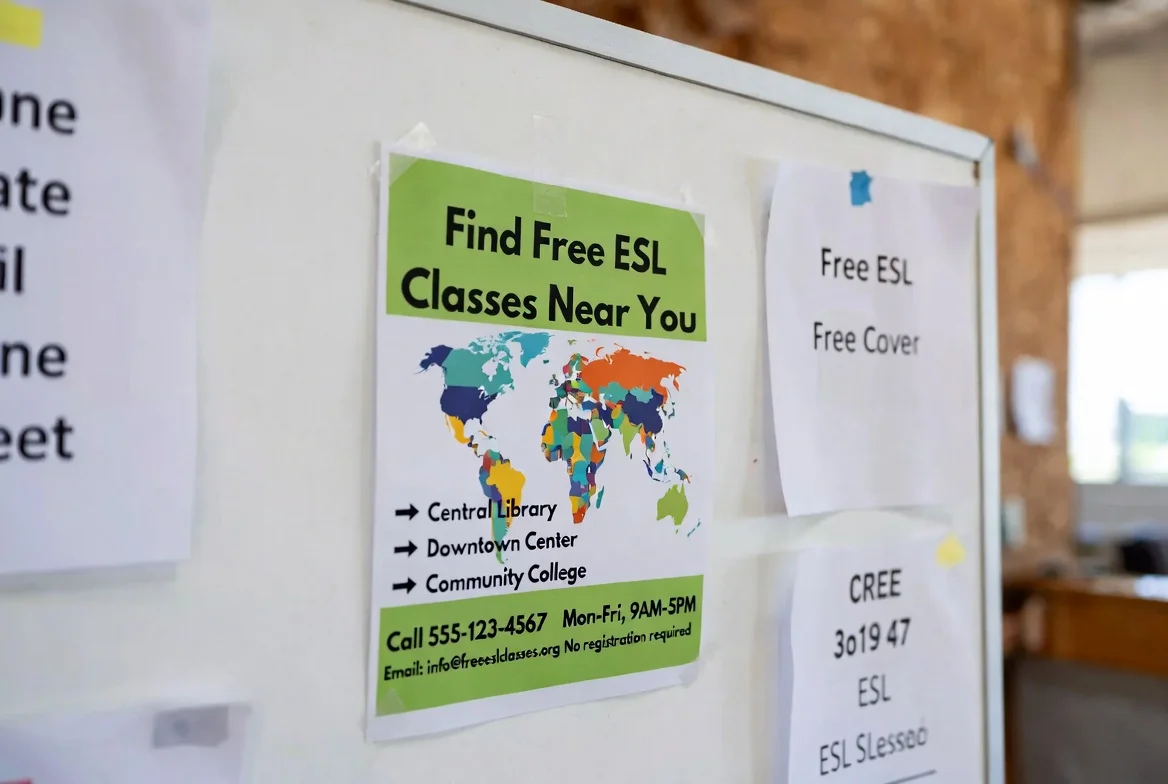

Free ESL classes provide a vital pathway for non-native speakers to improve their English, enhance career prospects, and integrate more fully into their communities. Where can you find these invaluable resources, and how can you choose the right program for your goals? This comprehensive guide explores the top strategies and best resources for locating high-quality, tuition-free English as a Second Language instruction in your local area and online.
What Are Free ESL Classes and Who Qualifies for Them?
Free ESL (English as a Second Language) classes are instructional programs offered at no cost to students, designed to teach English reading, writing, speaking, and listening skills. What is the difference between ESL and other language programs? ESL specifically targets non-native speakers living in an English-speaking environment, focusing on practical, daily-life communication. Who typically qualifies for these free classes? Eligibility often includes immigrants, refugees, permanent residents, and sometimes certain visa holders (like work or student visas). Most programs require participants to be at least 16 or 18 years old. How can you prove eligibility? Commonly required documents include proof of address, a photo ID, and sometimes immigration status paperwork. The primary goal of these programs is to foster successful integration and empowerment.
How to Find Local Free ESL Classes Using the Best Methods?
Searching for “free ESL classes near me” is a start, but what are the best ways to conduct an effective local search? A multi-pronged approach yields the best results.
First, contact your local public library. Libraries are community hubs that frequently host free ESL conversation groups or have partnerships with accredited organizations. How many libraries offer such programs? A significant majority in metropolitan areas do, and they maintain updated resource lists.
Second, reach out to community colleges and adult education centers. Many receive state and federal funding to provide free or very low-cost adult ESL courses. Which departments should you contact? Look for the “Adult Education,” “Continuing Education,” or “Community Programs” office.
Third, explore community-based non-profit organizations. Organizations like Literacy Volunteers of America, local YMCA/YWCA branches, and immigrant advocacy groups often run robust ESL programs. How far should you cast your net? Check within a 10-15 mile radius of your home, as many students commute to access the best programs.
Fourth, investigate religious institutions. Churches, mosques, synagogues, and temples often offer free ESL classes as a community service, usually with no religious obligation for participants.
What Are the Key Factors to Consider When Choosing a Class?
Not all free ESL classes are created equal. What should you evaluate to ensure a program meets your needs?
Class Schedule and Intensity: How many hours per week does the class meet? Programs can range from a 2-hour weekly conversation cafe to intensive 15-20 hour per week courses. Choose based on your availability and learning goals.
Instructional Level: Reputable programs offer placement tests to ensure you start at the correct level, from true beginner to advanced. What is the best way to gauge your level? Most organizations provide a free assessment.
Curriculum and Focus: Some classes focus on general life skills, while others target workplace English or preparation for citizenship tests. Which focus aligns with your primary objective?
Teacher Qualifications: Are the instructors certified TESOL (Teaching English to Speakers of Other Languages) professionals or trained volunteers? Both can be effective, but certification often indicates a structured pedagogical approach.
Class Size: Smaller classes (under 15 students) allow for more personalized attention. How many students are typically in a class? This varies widely, so it’s a key question to ask.
When Are the Best Times to Enroll and What is the Typical Process?
Free ESL programs often have specific enrollment periods. When do most classes start? Major intake periods typically align with academic semesters: late January, early June, and early September. However, many community-based programs offer rolling enrollment or short-term workshops throughout the year.
What is the usual enrollment process?
-
Inquiry: Call or email the program coordinator.
-
Assessment: Attend a placement interview or test to determine your proficiency level.
-
Registration: Complete necessary paperwork and provide any required documentation.
-
Orientation: Attend a session to learn about class rules, materials, and expectations.
How long is the waiting list? Popular programs in major cities may have waitlists of several weeks to a few months. Applying early is one of the top tips for securing a spot.
How Can You Access Free Online ESL Resources and Virtual Classes?
For those with scheduling conflicts or limited local options, what are the best free online alternatives? The digital landscape for ESL learning has expanded tremendously.
Massive Open Online Course (MOOC) Platforms: Websites like Coursera, edX, and FutureLearn offer free university-level ESL courses from institutions worldwide. You can audit courses for free, with certificates available for a fee.
Non-Profit and Government Websites: USALearns.org is a free website funded by the U.S. Department of Education, offering comprehensive practice in life skills English.
Interactive Apps and Tools: While not a substitute for a class, tools like Duolingo, BBC Learning English, and VOA Learning English provide excellent supplemental practice.
Virtual Tutoring and Conversation Practice: Some non-profits have moved their conversation partner programs online. Platforms like TalkTime (through many libraries) connect learners with volunteers for virtual practice.
What are the pros and cons of online learning? The flexibility is a major advantage, but it requires high self-discipline and lacks the in-person community and immediate feedback of a physical classroom.
Table: Comparison of Primary Free ESL Class Providers
| Provider Type | Typical Class Format | Best For | Time Commitment | How to Find |
|---|---|---|---|---|
| Adult Education (School District) | Structured, multi-level classes with a set curriculum. | Learners seeking a formal, academic path with potential for advancement. | 6-15 hrs/week, semester-based. | Search “[Your City] Adult School ESL”. |
| Community College (Non-Credit) | Similar to adult school, often with a focus on college/career readiness. | Intermediate/Advanced learners preparing for further education or job training. | 4-12 hrs/week. | Contact local community college “Continuing Ed” department. |
| Public Library Program | Conversation circles, literacy tutoring, or beginner-level classes. | Beginners needing foundational practice or advanced speakers wanting fluency maintenance. | 1-3 hrs/week, often drop-in. | Visit your local library branch website or information desk. |
| Community/Non-Profit Organization | Often focuses on practical life skills, citizenship, or employment English. | New immigrants needing survival English and cultural orientation. | Varies (2-10 hrs/week). | Search “immigrant services [your city]” or “literacy volunteers”. |
| Faith-Based Organization | Welcoming classes, often with childcare support. | Learners seeking a strong community support network. | 2-4 hrs/week. | Contact large local churches, mosques, or interfaith networks. |
What Are the Common Challenges and How to Overcome Them?
Enrolling in a class is the first step; staying engaged is the next. What are the top mistakes learners make, and how can you avoid them?
Challenge 1: Inconsistent Attendance. Life is busy, but sporadic attendance hinders progress. Solution: Treat your class like a fixed, non-negotiable appointment.
Challenge 2: Hesitation to Speak. Fear of making mistakes is common. Solution: Remember that the classroom is a safe space for practice. Everyone is there to learn.
Challenge 3: Limited Practice Outside Class. How much should you practice? At least 30-60 minutes daily of listening and reading in English accelerates learning. Solution: Immerse yourself through music, TV, podcasts, and reading.
Challenge 4: Choosing the Wrong Level. A class that’s too easy is boring; one that’s too difficult is discouraging. Solution: Insist on a proper placement test and be honest about your skills.
Is it worth the effort? Absolutely. The long-term benefits for career, social connection, and personal confidence are immense.
How Can Free ESL Classes Lead to Further Education and Career Opportunities?
Free ESL classes are often the first step on a longer educational pathway. What are the ways these programs can bridge to more advanced opportunities?
Many adult school and community college ESL programs have articulation agreements that allow advanced ESL students to transition smoothly into GED preparation, vocational training, or credit-bearing college courses. Which certifications can you work towards? Some programs integrate preparation for recognized credentials like the CASAS (Comprehensive Adult Student Assessment Systems) test or TOEFL practice for academic entry.
For career advancement, look for programs offering Workplace ESL or Integrated English Literacy and Civics Education (IELCE). These classes combine language instruction with specific job skills (e.g., English for healthcare, hospitality, or construction). Building a relationship with your ESL instructor is also one of the best ways to gain referrals for job training programs or entry-level employment opportunities.
Frequently Asked Questions (FAQs)
1. Are free ESL classes really free?
Yes, the classes themselves are typically free of tuition charges. However, you might be asked to pay a small nominal registration fee (often $20-$30) or for your own textbook and supplies. Some programs provide books for free or loan them out.
2. What level of English do I need to start?
You can start at any level, including absolute beginner. Reputable programs will test your speaking, listening, reading, and writing skills to place you in the appropriate class. There is no need to prepare or be nervous about the assessment.
3. Is childcare provided during classes?
This varies significantly. Many community-based and faith-based organizations recognize this as a major barrier and do offer free on-site childcare during class times. Adult schools and community colleges are less likely to offer it. Always ask when you inquire about a program.
4. How long does it take to become fluent?
Fluency is a gradual process. How long it takes depends on your starting level, intensity of study, and practice outside class. A common framework suggests it takes 6 months to 2 years of consistent study to reach functional fluency for daily life, with mastery taking several more years.
5. Can I take classes if I am undocumented?
In the vast majority of cases, yes. Most community-based free ESL programs do not require proof of legal residency and serve all members of the community regardless of immigration status. Their mission is community education and integration.
6. What should I bring to the first class?
Bring a photo ID, proof of your address (like a utility bill), a notebook, a pen, and a positive attitude. If you have any prior English test results or certificates, bring those as well to help with placement.
7. Are there free ESL classes for specific purposes, like for the citizenship test?
Yes. Many organizations offer free citizenship preparation classes that focus specifically on the English language, U.S. history, and civics questions required for the naturalization interview. These are often listed separately from general ESL courses.
Disclaimer: The information provided in this article is for general guidance as of 2026. Program availability, schedules, fees, and eligibility requirements for free ESL classes are subject to change by the providing organizations. It is the reader’s responsibility to contact providers directly to confirm current details before enrolling.
Keywords: free esl classes near me, learn english free, adult esl programs, english classes for immigrants, community english classes, online esl free, esl conversation groups, citizenship english class, workplace esl, find esl classes