Credit Score Guide for Immigrants in the USA


Credit score for immigrants is the foundational key to unlocking financial opportunities in the United States. Upon arrival, newcomers face a system where a three-digit number dictates access to apartments, car loans, credit cards, and even cell phone plans. What is the best way to build a strong credit history from scratch without a Social Security Number (SSN)? How can you avoid the top mistakes that delay financial integration? This comprehensive guide provides actionable steps, effective strategies, and essential resources to help you establish, build, and maintain an excellent credit score, paving the way for long-term financial stability and success in your new home.
What Is a Credit Score and Why Is It Critical for Immigrants?
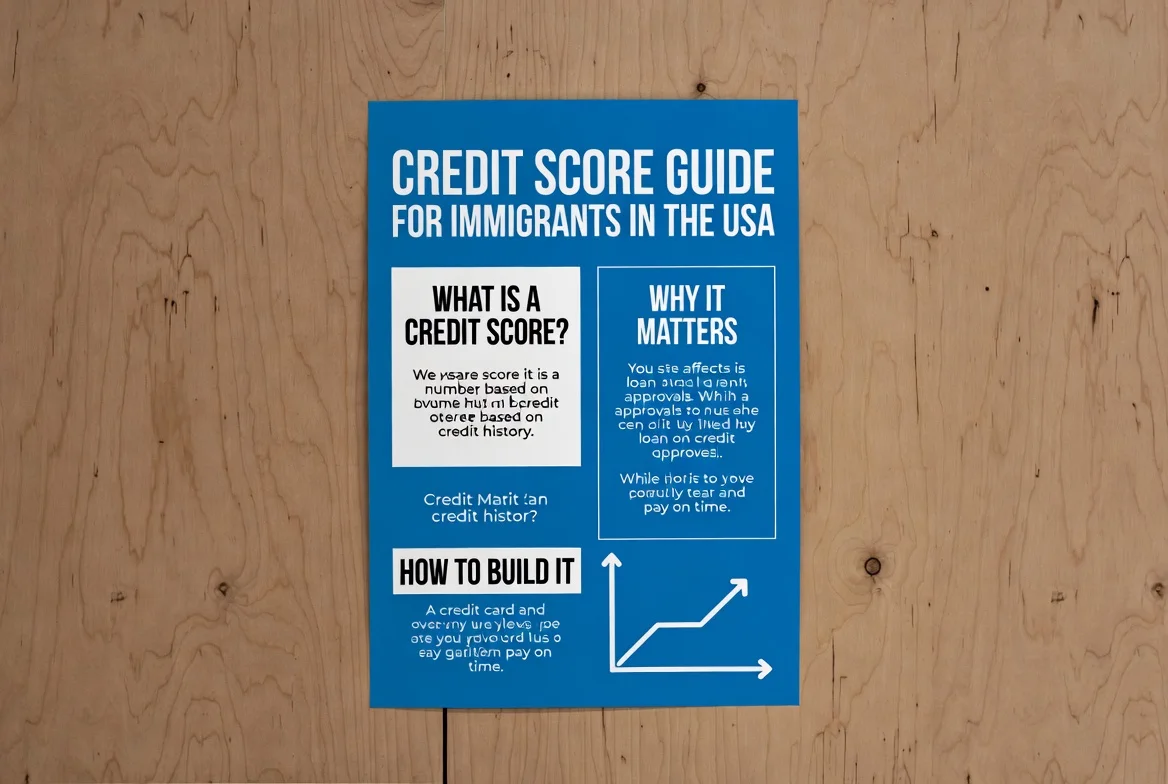
Understanding the difference between credit history and credit score is the first step. Your credit history is the record of how you’ve managed debt, while a credit score is a numerical representation (typically between 300 and 850) of that history. Why is it so crucial for immigrants? In the U.S., lenders, landlords, and utility companies use this score to assess your financial reliability. A good score can mean lower interest rates, better rental options, and lower deposits. Without it, you may face rejections or be forced to use high-cost alternative services. The system often does not recognize financial history from other countries, meaning most immigrants start at “credit invisible.” How long does it take to build a score? Typically, it takes about 6 months of activity to generate a FICO score, and 1-2 years of responsible management to build a good score (670+).
How to Start Building Credit Without a Social Security Number (SSN)?
A common misconception is that you need an SSN to build credit. How can you establish credit without one? The key is to use an Individual Taxpayer Identification Number (ITIN). Many financial institutions accept ITINs for credit-building products.
What are the best ways to start?
-
Apply for an ITIN-Based Credit Card: Several major banks and specialized lenders (like Deserve® and Capital One) offer credit cards to applicants using an ITIN. These are often secured cards, requiring a refundable security deposit that becomes your credit limit.
-
Open a Secured Credit Card: This is the top recommended method for building credit from zero. You provide a cash deposit (e.g., $200) which acts as your credit line. The issuer reports your payments to the credit bureaus, building your history.
-
Become an Authorized User: Ask a trusted family member or friend with good credit to add you as an authorized user on their credit card. Their positive payment history can be imported to your credit file.
-
Use Credit-Building Loans: Some community development financial institutions (CDFIs) and online services (like Self Inc.) offer credit-builder loans. The money you “borrow” is held in a savings account while you make payments, which are reported to the bureaus. You receive the funds at the end of the term.
What Are the Top 5 Credit Mistakes New Immigrants Must Avoid?
Navigating a new financial system is challenging, and certain missteps can set you back. What should you avoid to protect your fledgling credit score?
-
Missing Payments: Your payment history is the largest factor (35%) in your credit score. How can you prevent this? Set up automatic payments for at least the minimum amount due.
-
Using Too Much of Your Credit Limit: This is called your credit utilization ratio. How much of your limit should you use? Aim to keep your balance below 30% of your total available credit at any time. High utilization suggests risk to lenders.
-
Applying for Multiple Credit Cards at Once: Each application triggers a “hard inquiry,” which can temporarily lower your score. Space out your credit applications.
-
Ignoring Your Credit Reports: Errors can happen. How often should you check? You are entitled to a free weekly credit report from each of the three major bureaus (Equifax, Experian, TransUnion) through AnnualCreditReport.com. Dispute any inaccuracies immediately.
-
Closing Your Oldest Credit Card: The length of your credit history matters. Even if you don’t use an older card regularly, keeping it open (with a $0 balance) helps your average account age.
How to Build Credit Quickly and Effectively: A Step-by-Step Plan
What is the best way to move from “credit invisible” to having a good score within 12-18 months? Follow this strategic plan.
Step 1: Get Your Documentation in Order. Obtain an ITIN if you don’t have an SSN. Gather proof of identity (passport, visa) and proof of address.
Step 2: Open a Bank Account. This establishes a financial footprint and is often a prerequisite for other products.
Step 3: Start with a Secured Credit Card. Use it for small, recurring purchases (like a streaming subscription) and pay the balance in full and on time every month.
Step 4: Add a Second Credit Line. After 6-9 months of perfect payments, consider a credit-builder loan or a retail store card (which can be easier to qualify for) to create a “mix” of credit types.
Step 5: Monitor and Grow. Use free services from your bank or Credit Karma to track your progress. As your score improves, you may qualify for an unsecured credit card with better terms. Request a credit limit increase on your existing card to lower your utilization ratio.
How fast can you see progress? With diligent management, you can see a score in the “fair” range (580-669) within 8-12 months.
Which Financial Institutions and Tools Are Most Immigrant-Friendly?
Is it worth seeking out specific banks? Absolutely. Some institutions have dedicated programs for newcomers.
| Institution / Tool | Product/Service | Key Benefit for Immigrants | Best For |
|---|---|---|---|
| Deserve® (Now backed by Goldman Sachs) | Digital Credit Card | Explicitly accepts applications with an ITIN, passport, and visa. No security deposit required for their “Edu” card for students. | Students and professionals without an SSN. |
| Capital One | Secured Mastercard | Considers ITIN applicants. Easy path to “graduate” to an unsecured card. Reports to all three credit bureaus. | First-time credit builders. |
| Self Inc. | Credit-Builder Account | Doesn’t require a credit check. Reports payments to all three bureaus. Helps build savings simultaneously. | Those who want a structured, loan-like product. |
| American Express | Global Card Relationship | May use your country-of-origin credit history through its Global Card Relationship program to approve you for a U.S. card. | Immigrants with an existing Amex relationship in their home country. |
| Credit Karma / Experian | Credit Monitoring | Free access to your VantageScore (Credit Karma) or FICO Score (Experian). Provides personalized tips and product recommendations. | Tracking progress and understanding factors. |
How far can these tools take you? They provide the essential foundation, but long-term success depends on your consistent financial habits.
How Does Your Visa or Immigration Status Affect Credit Building?
What is the difference between building credit on a temporary visa versus a permanent resident status? The process is fundamentally the same, but the timeframe and long-term planning differ.
For Temporary Visa Holders (H-1B, L-1, F-1, etc.):
-
You can and should build U.S. credit.
-
Use an SSN if you have one (many work/study visas provide one) or an ITIN.
-
Be aware that some lenders may consider the expiration date of your visa, but many do not.
-
Your responsibly built U.S. credit history will remain on file and can be beneficial if you change status or return in the future.
For Permanent Residents (Green Card Holders):
-
You have a long-term horizon, so focus on building a robust profile.
-
Aim for premium credit products and lower interest rates as your score improves.
-
Consider building credit with a future mortgage application in mind.
The pros and cons are clear: starting early is beneficial regardless of status, but those with permanent status can invest more confidently in long-term credit strategies.
Frequently Asked Questions (FAQs)
1. Can I transfer my credit score from my home country to the USA?
Generally, no. U.S. credit bureaus do not incorporate foreign credit history. However, a few exceptions exist, such as American Express’s Global Card Relationship or Nova Credit, a service that partners with some lenders to translate international credit data for the U.S. application process. It is not a transfer of your score but can be used as an alternative data point for approval.
2. How long does it take to get a good credit score as an immigrant?
With a disciplined approach, you can establish a score within 6 months and reach a “good” score (670-739) within 12 to 24 months. Consistency is more important than speed.
3. What is the fastest way to build credit from nothing?
The fastest and most reliable method is to obtain a secured credit card, use it for very small purchases, and pay the statement balance in full and on time every single month. This demonstrates responsible behavior to the credit bureaus quickly.
4. Does renting an apartment help build credit?
Typically, most standard rental payments are not reported to the credit bureaus unless your landlord uses a specific reporting service. You can use third-party services like RentTrack or Experian Boost to add your on-time rent and utility payments to your Experian credit report, which can help build history.
5. What is a good first credit score in the U.S.?
Once you establish a score, anything above 670 is considered “good” and will qualify you for better financial products. A score above 740 is “very good” to “excellent.”
6. Should I use a “credit repair” company?
Should you pay for credit repair? Be very cautious. Many promises are exaggerated. You can dispute errors on your own for free. Building credit legitimately takes time and patience; there are no legal “quick fixes.” Focus on the fundamental steps outlined in this guide.
7. How does becoming an authorized user help?
When you are added as an authorized user, the primary cardholder’s account history (if positive) can be added to your credit file. This can give your history an immediate boost in age and positive payment record. Ensure the card issuer reports authorized user activity to the bureaus.
Disclaimer: The information provided in this article is for educational and informational purposes only and does not constitute legal or financial advice. Credit products, lender policies, and immigration regulations are subject to change. The user is solely responsible for consulting with qualified legal and financial professionals regarding their specific situation before making any financial decisions.
Keywords: credit score for immigrants, how to build credit in usa without ssn, itin credit card, secured credit card for immigrants, establish credit history, credit invisible, credit building for newcomers, us credit system guide, credit bureau for immigrants, get credit card with itin