Building Inspector Average Salary in USA, 2026


Building Inspector salaries in the United States vary significantly based on location, experience, and specialization. As of 2026, what is the true earning potential for professionals ensuring the safety and compliance of our built environment? How do factors like state regulations, union membership, and additional certifications impact take-home pay? This comprehensive analysis breaks down the latest national and state-level salary data, explores career advancement paths, and answers the key questions facing both aspiring and experienced inspectors in the current market.
What Is the National Average Salary for a Building Inspector in 2026?
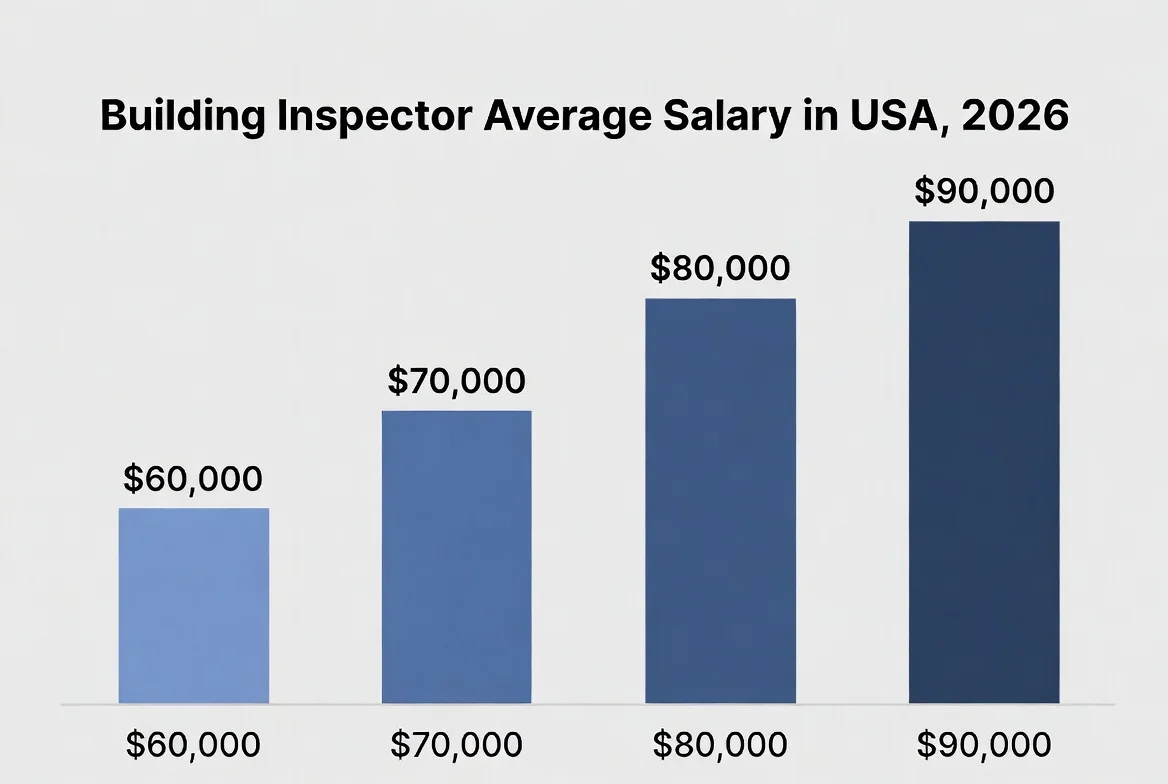
Understanding the baseline is crucial for any career negotiation. How much does a Building Inspector make on average across the United States? According to aggregated salary data from 2026, the national average annual salary for a Building Inspector is $50,310. This translates to an average hourly wage of approximately $25.46. However, this median figure represents a wide spectrum. What is the difference between entry-level and senior-level pay? Entry-level positions typically start around $39,395 per year, while the most experienced and specialized inspectors can earn upwards of $91,421 annually. This range highlights the significant impact of tenure, expertise, and location on earning potential.
How Does Building Inspector Salary Vary by State?
Geographic location is one of the most decisive factors for salary. Which states offer the highest and lowest compensation for Building Inspectors in 2026? The disparity is substantial, often reflecting cost of living, demand for construction, and state-level budget allocations for municipal services.
Top-Paying States (Average Annual Salary):
-
Washington: $61,605
-
Maryland: $60,000
-
Virginia: $58,834
-
Alaska: $58,240
-
Hawaii: $54,080
States with Lower Average Salaries:
-
South Carolina: $33,348
-
Michigan: $34,254
-
Kentucky: $34,278
-
Tennessee: $34,743
-
Alabama: $35,100
Why is there such a dramatic difference? High-cost states with robust construction industries and strong public sector unions (like Washington and Maryland) tend to invest more in compliance roles. Conversely, states with lower costs of living and different regulatory frameworks may report lower average wages.
What Are the Key Factors That Influence a Building Inspector’s Salary?
Beyond location, multiple variables determine an individual’s pay. What are the best ways to increase your salary as a Building Inspector? Key influencers include:
-
Experience and Seniority: This is the most direct correlate. A Chief Building Inspector or Senior Commercial Inspector will command a significantly higher salary than a novice performing routine residential inspections.
-
Specialization and Certifications: Which certifications are most valuable? Inspectors with certifications in electrical, plumbing, mechanical, or structural disciplines from organizations like the International Code Council (ICC) can negotiate higher pay. A specialized Electrical Inspector averages $70,375, far above the general median.
-
Employer Type: What is the difference between working in the public vs. private sector? Municipal and county government roles often offer greater job security, benefits, and pensions but may have lower base salaries. Private sector firms, consulting agencies, or third-party inspection services (like Aoka) may offer higher base pay or performance bonuses but with less stability.
-
Union Membership: In many regions, belonging to a union (e.g., a public employees’ union) can secure higher wages, better benefits, and structured pay scales.
How Do Related Professions Compare in Salary?
Contextualizing the Building Inspector salary within the broader field of compliance and construction is insightful. How much do similar roles earn?
| Related Job Title | Average Annual Salary (2026) | Primary Difference in Role |
|---|---|---|
| Compliance Manager | $100,000 | Oversees entire compliance programs, strategic role. |
| Construction Inspector | $81,250 | Often more focused on civil/structural phases of large projects. |
| Home Inspector | $71,287 | Primarily residential, pre-purchase inspections; often self-employed. |
| Electrical Inspector | $70,375 | Specialized certification in electrical systems and codes. |
| Chief Inspector | $65,265 | Supervisory role, managing a team of inspectors. |
| Fire Inspector | $52,208 | Specialized in fire safety codes and systems. |
| Building Inspector (Median) | $50,310 | Generalist enforcing building codes for residential/commercial. |
| Compliance Officer | $40,342 | Broader role, may not be construction-specific. |
This comparison shows that specialization and progression into management are clear pros and cons for career and salary advancement.
What Is the Career Path and Growth Outlook for Building Inspectors?
Is it worth pursuing a career as a Building Inspector? The U.S. Bureau of Labor Statistics projects average growth for construction and building inspectors, tied to ongoing construction and the need to maintain and renovate an aging infrastructure. How can you advance? A typical path may involve:
-
Entry-Level: Performing routine inspections under supervision.
-
Mid-Career: Gaining multiple certifications, handling complex commercial projects.
-
Senior-Level: Becoming a Chief Building Inspector, Plans Examiner, or moving into construction management or code consulting.
How long does it take to reach the higher end of the salary scale? With consistent certification and experience, reaching salaries above $80,000 can take 8-15 years.
What Are the Typical Job Duties and Requirements?
What should you expect to do in this role? Duties typically include reviewing construction plans, inspecting sites for code compliance (structural, electrical, plumbing, etc.), issuing violation notices, approving permits, and documenting findings. Most positions require a high school diploma plus extensive experience in construction trades, supplemented by state or ICC certifications. Many employers now prefer some college education in building technology or a related field.
Frequently Asked Questions (FAQs)
1. What is the average hourly wage for a Building Inspector?
The average hourly wage in the United States as of 2026 is approximately $25.46. This can range from about $19 per hour for entry-level roles to over $44 per hour for highly experienced inspectors.
2. How much would I take home after taxes on a $50,310 salary?
Your net pay depends on your state of residence, marital status, deductions, and other withholdings. As a very general estimate, using standard deductions, an individual in a state with average taxes might take home approximately $3,100 to $3,400 per month. It is best to use a reliable online tax calculator for a precise figure based on your personal circumstances.
3. Do Building Inspectors receive benefits?
Most full-time Building Inspectors, especially those employed by government agencies, receive comprehensive benefits packages. These often include health insurance, retirement/pension plans, paid time off, and sometimes union benefits. Private sector benefits can vary more widely.
4. What is the best state to work in as a Building Inspector for a high salary?
Based on 2026 data, Washington State offers the highest average salary at $61,605. However, it is essential to balance this with the state’s cost of living. Maryland, Virginia, and Alaska also rank among the top-paying states.
5. Is certification required to become a Building Inspector?
Yes, nearly all states and municipalities require Building Inspectors to be certified. The most recognized certifications come from the International Code Council (ICC), such as the Residential Building Inspector, Commercial Building Inspector, and various mechanical, plumbing, and electrical specialty certifications. Requirements vary by jurisdiction.
6. Can Building Inspectors work as independent contractors?
Yes, many experienced inspectors work as independent contractors or start their own consulting firms, especially in the home inspection niche. This path offers higher earning potential but comes with the instability and administrative responsibilities of self-employment.
Disclaimer: The salary data, figures, and career information presented in this article are based on aggregated sources and estimates for the year 2026. They are intended for general informational purposes only. Actual salaries can vary significantly based on individual qualifications, exact job title, specific employer, geographic location within a state, and current economic conditions. The user is solely responsible for their career and financial decisions.
Keywords: building inspector average salary, building inspector salary 2026, how much does a building inspector make, building inspector jobs, construction inspector salary, home inspector vs building inspector, building inspector certification, highest paying states for building inspectors, building inspector career path