
Asylum Application Steps in the USA

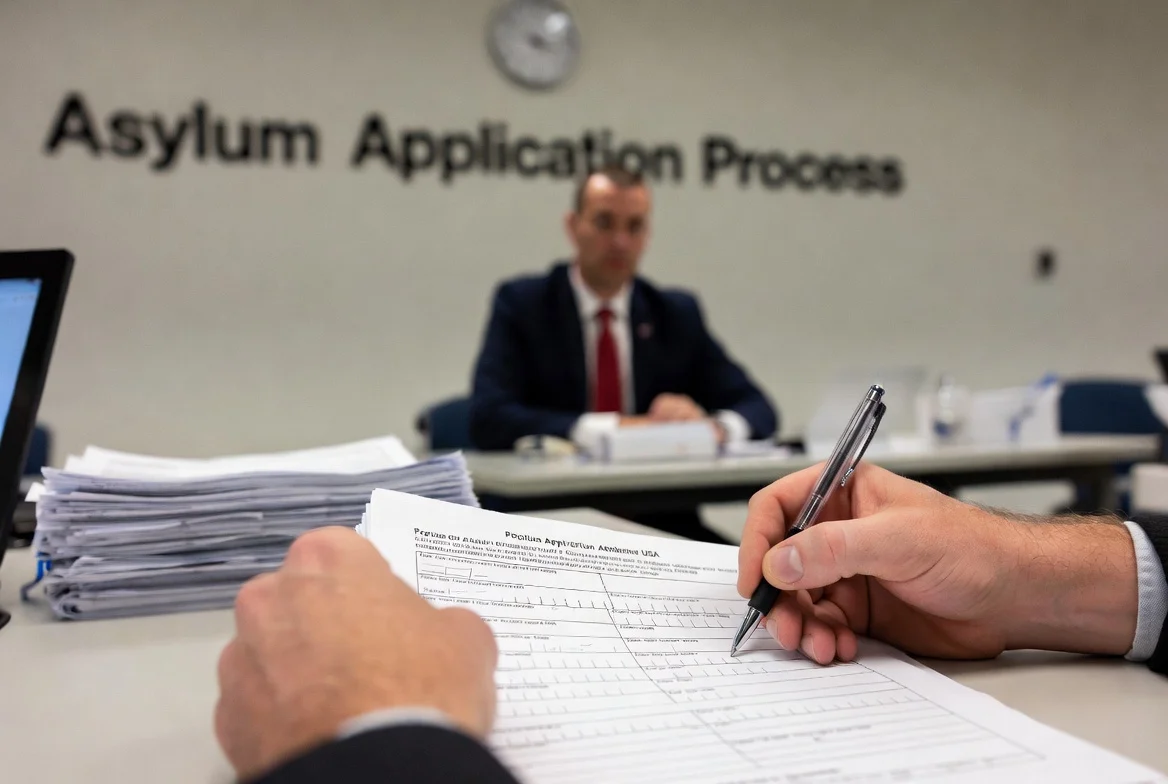

Asylum application steps in the USA constitute a complex legal process for individuals seeking protection from persecution in their home countries. How can you navigate this daunting system successfully, and what are the most critical steps to avoid fatal errors? This definitive guide breaks down the entire procedure, from eligibility to final decision, providing clear, actionable information based on the latest 2026 regulations. Understanding the process is not just about paperwork; it’s about securing your safety and future.
What Are the Basic Eligibility Criteria for Asylum in the USA?
Before beginning the application, you must determine if you qualify. What is the difference between a refugee and an asylee? Both seek protection, but a refugee applies from outside the US, while an asylee applies from within the US or at a port of entry. To be eligible, you must prove you are unable or unwilling to return to your home country due to persecution or a well-founded fear of persecution based on:
-
Race
-
Religion
-
Nationality
-
Membership in a particular social group
-
Political opinion
When should you apply? You must generally file your application within one year of your last arrival in the United States, though exceptions exist for changed or extraordinary circumstances. How can you prove your case? The burden of proof is on you, requiring detailed personal testimony, corroborating evidence, and country conditions reports.
What Is the Step-by-Step Process for Applying for Asylum?
The asylum process involves multiple stages with strict deadlines. What is the best way to ensure you don’t miss a critical step?
-
Arrival and The One-Year Deadline: Your eligibility clock starts upon arrival. Document your entry date meticulously.
-
Preparation of Form I-589, Application for Asylum and for Withholding of Removal: This is the core document. How many sections does it have? You must complete all parts, including a detailed personal declaration describing the persecution you faced or fear.
-
Gathering Supporting Evidence: This is crucial. What should your evidence packet include? Affidavits from witnesses, medical records, police reports, news articles about conditions in your country, and expert statements. All non-English documents must include a certified translation.
-
Submission to the USCIS: File the completed Form I-589 and all evidence with the correct USCIS Service Center by mail. There is no filing fee. You will receive a receipt notice and, later, a notice for biometrics (fingerprinting) appointment.
-
The Asylum Interview: You will be scheduled for an interview with a USCIS Asylum Officer. How long does the interview take? Typically, several hours. You have the right to an interpreter and may bring a lawyer. The officer will assess your credibility and the details of your claim.
-
The Decision: After the interview, you will receive a decision by mail. How long does it take? It can vary from weeks to several months. Possible outcomes include Grant, Referral to Immigration Court (if you are in status), or Notice of Intent to Deny.
How Does the Affirmative vs. Defensive Asylum Process Differ?
Understanding the difference between these two paths is vital, as it defines your entire experience.
The Affirmative Process is for individuals who are not in removal proceedings. You proactively file Form I-589 with USCIS. If the asylum officer does not grant asylum and you are in the country without legal status, your case is referred to the Immigration Court for a defensive hearing.
The Defensive Process occurs when you are in removal (deportation) proceedings before an Immigration Judge. You apply for asylum as a defense against removal. This process is adversarial, with a U.S. Immigration and Customs Enforcement (ICE) attorney opposing your claim. The rules of evidence are stricter, and the judge makes the final decision.
Which path will you likely take? If you present yourself at a port of entry or are apprehended without status, you will likely enter the defensive process. If you file within one year of arrival while in status, you will go through the affirmative process.
What Happens During the Asylum Interview and How to Prepare?
The interview is the most critical step in the affirmative process. How can you prepare effectively?
-
Review Your Application and Statement: Be prepared to discuss every detail in your Form I-589. The officer will test for consistency and credibility.
-
Prepare Your Evidence: Organize all documents in a logical order. Have multiple copies for yourself and the officer.
-
Arrange for a Qualified Interpreter: If you are not fluent in English, you must bring an interpreter. They cannot be a witness in your case or a representative of your government.
-
Consult with a Legal Representative: Having an attorney or accredited representative is one of the top factors correlated with higher success rates. They can prepare you for questioning and object to improper lines of inquiry.
What are the pros and cons of the interview? It is your best chance to tell your story directly to a decision-maker. However, the pressure is high, and any inconsistencies can damage your claim.
What Is the Role of an Immigration Lawyer in the Asylum Process?
Is it worth hiring an immigration lawyer? Given the complexity and high stakes, legal representation is strongly advised. What should a lawyer do for you?
-
Evaluate the strength of your claim and eligibility.
-
Assist in drafting a compelling and legally sound personal declaration.
-
Identify and gather necessary evidence, including expert witnesses.
-
Prepare you thoroughly for the asylum interview or court hearing.
-
Represent you before USCIS or the Immigration Court.
-
File appeals if your case is denied.
How much does legal representation cost? Fees vary widely. Many non-profit organizations offer low-cost or pro bono services to asylum seekers. The difference between navigating this process with and without a lawyer is often the difference between success and deportation.
What Are the Key Timelines and Deadlines to Remember in 2026?
Missing a deadline can result in denial or loss of legal status. What are the most critical dates?
| Deadline/Event | Timeframe | Consequence of Missing It |
|---|---|---|
| Application Filing | Within 1 year of last arrival (with exceptions) | Barred from asylum eligibility; must seek another form of relief |
| Biometrics Appointment | As scheduled on USCIS notice | May lead to denial for failure to appear |
| Asylum Interview (Affirmative) | Scheduled after filing; backlog varies | Rescheduling may delay case for months/years |
| Immigration Court Hearings (Defensive) | Set by court; multiple hearings possible | Failure to appear results in in absentia removal order |
| Work Permit (EAD) Eligibility | Can file 150 days after applying, if no decision | Cannot legally work in the US until EAD is granted |
What Happens After You Are Granted Asylum?
Approval is a life-changing event. What are the next steps?
-
You become an asylee with legal status.
-
You can apply for a Social Security Number.
-
You are eligible to apply for a refugee travel document.
-
One year after being granted asylum, you may apply for a Green Card (Lawful Permanent Resident status).
-
Four years after receiving your Green Card (five years after asylum grant), you may apply for U.S. citizenship.
How long does the path to citizenship take? From the initial asylum grant, it typically takes a minimum of five years.
Frequently Asked Questions (FAQs)
1. Can I work in the USA while my asylum application is pending?
Yes, but not immediately. You become eligible to apply for an Employment Authorization Document (EAD) 150 days after filing a complete asylum application, provided no decision has been made. The EAD itself can take up to 30 additional days to be issued. You cannot work legally before receiving the EAD.
2. What is the current asylum approval rate?
Approval rates fluctuate based on the applicant’s country of origin, the legal representation, and the adjudicating office or court. As of 2026, the nationwide average grant rate hovers around 35-40% for Immigration Judges and varies for USCIS Asylum Officers. It is crucial to research current statistics for your specific situation.
3. What happens if my asylum case is denied?
The consequences depend on your process. In the affirmative process, if you are in legal status, you return to that status. If you are not, USCIS refers your case to an Immigration Judge for removal proceedings, where you can re-apply defensively. In the defensive process, a denial by the judge results in a final removal order. You may have the right to appeal to the Board of Immigration Appeals (BIA) within 30 days.
4. Can I include my family in my asylum application?
Yes. Your spouse and unmarried children under 21 can be included as derivatives on your initial Form I-589 if they are physically present in the USA. If you are granted asylum, you can petition for them later if they are abroad.
5. How long does the entire asylum process take in 2026?
There is no fixed timeline. The affirmative process backlog can mean waiting several years for an interview after filing. Defensive cases in Immigration Court also face significant backlogs, often lasting 3-5 years or more from start to final decision.
6. Can I travel outside the USA after applying for asylum?
It is extremely risky. Leaving the US without obtaining advanced parole (travel permission) will be considered an abandonment of your asylum application. You may be barred from re-entry and your case will be terminated. Consult an attorney before considering any international travel.
Disclaimer: The information provided in this article is for general guidance and educational purposes only. It does not constitute legal advice. Asylum law is complex and changes frequently. Your individual case has unique factors that must be evaluated by a qualified immigration attorney. Always consult with a legal professional before taking any action regarding your immigration status.
Keywords: asylum application steps USA, how to apply for asylum in usa, asylum process timeline, affirmative asylum, defensive asylum, form i-589, asylum interview, asylum eligibility, asylum lawyer, uscis asylum, persecution, immigration court, work permit asylum